Modrý Kameň
castle ruin

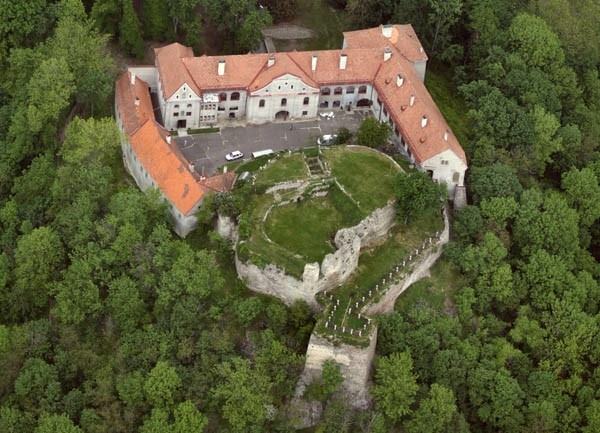
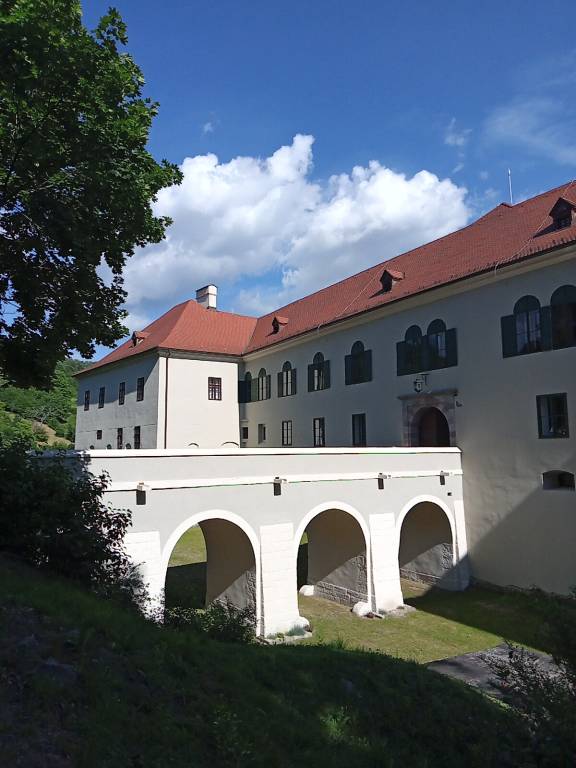
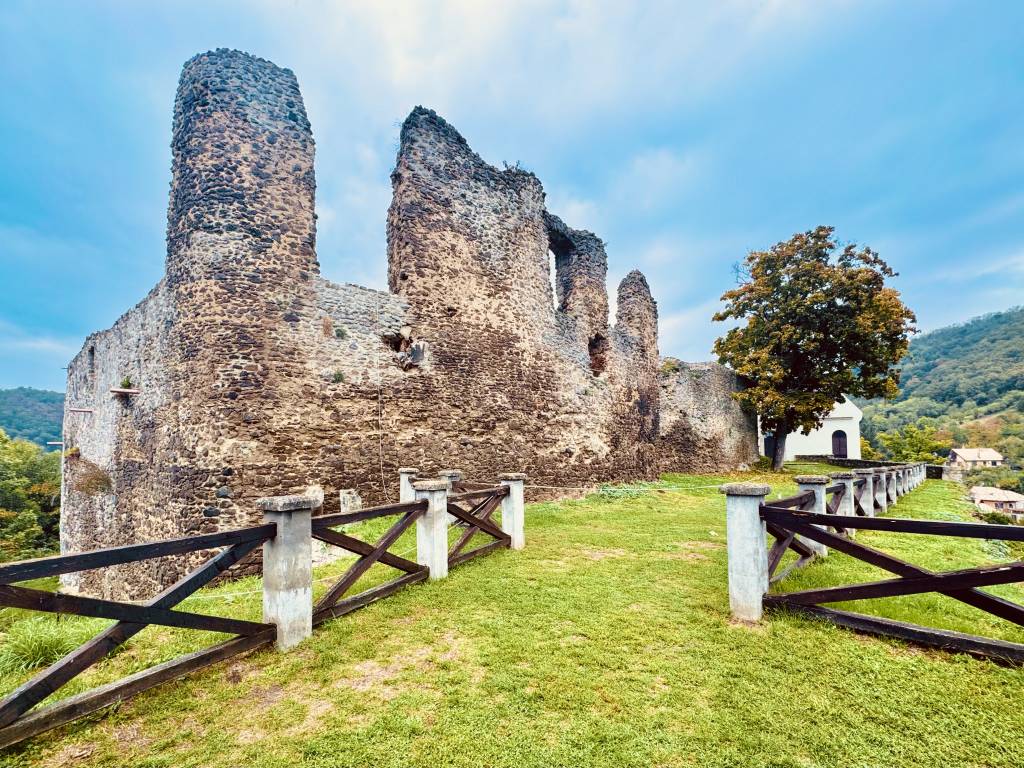
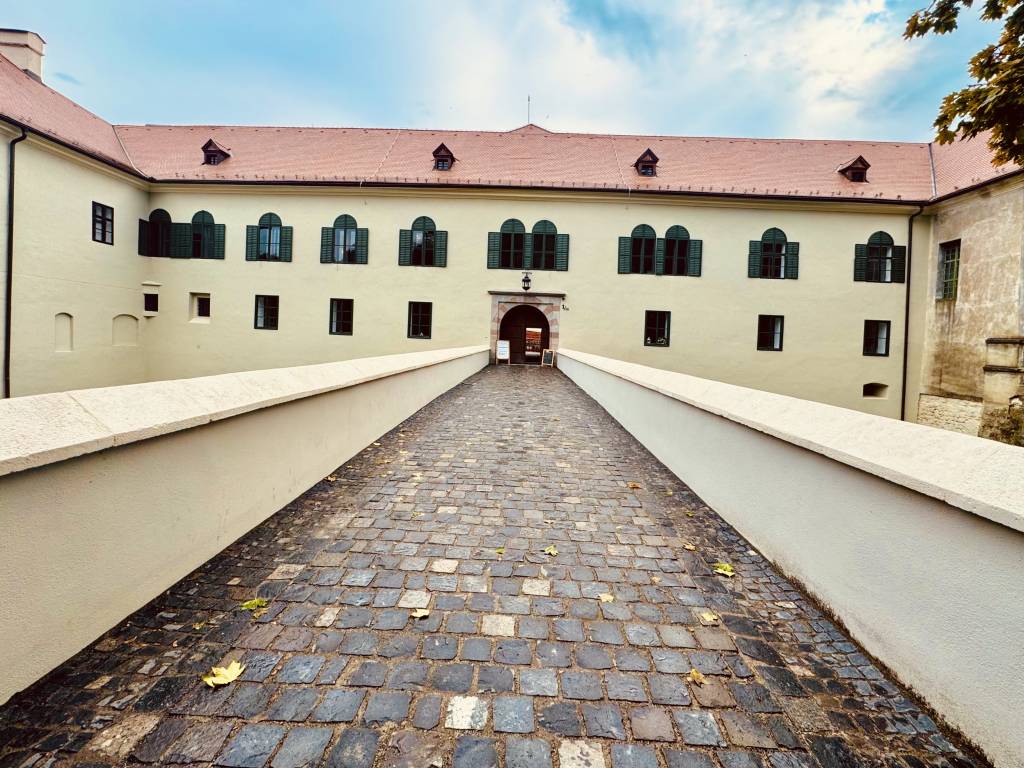
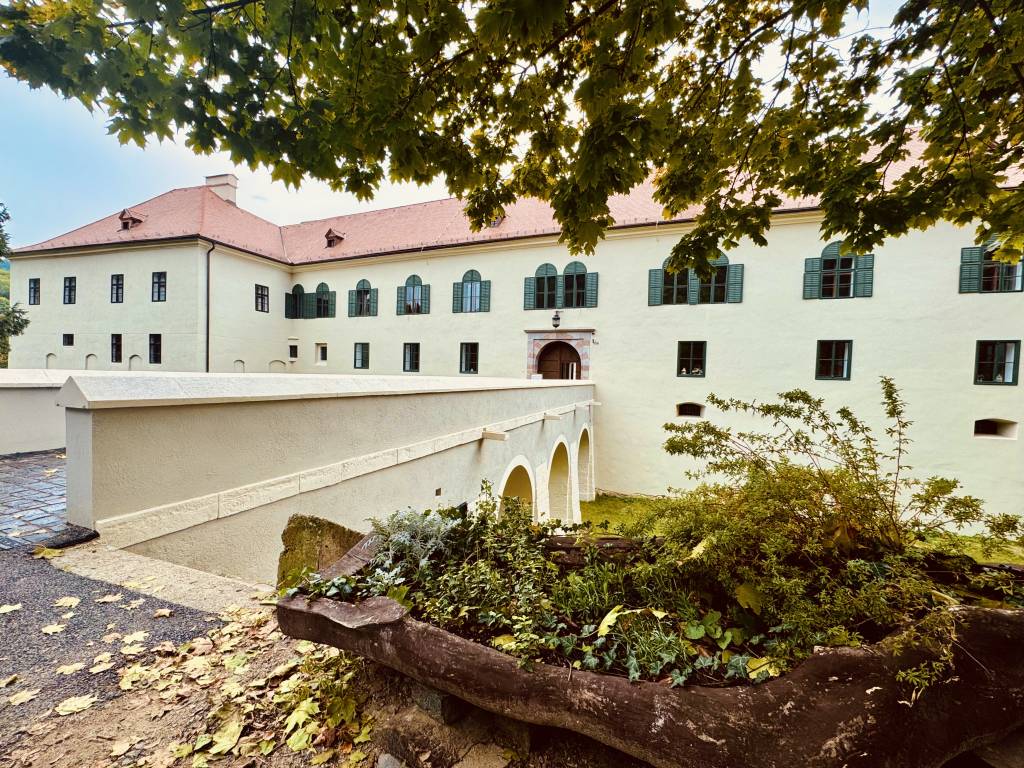
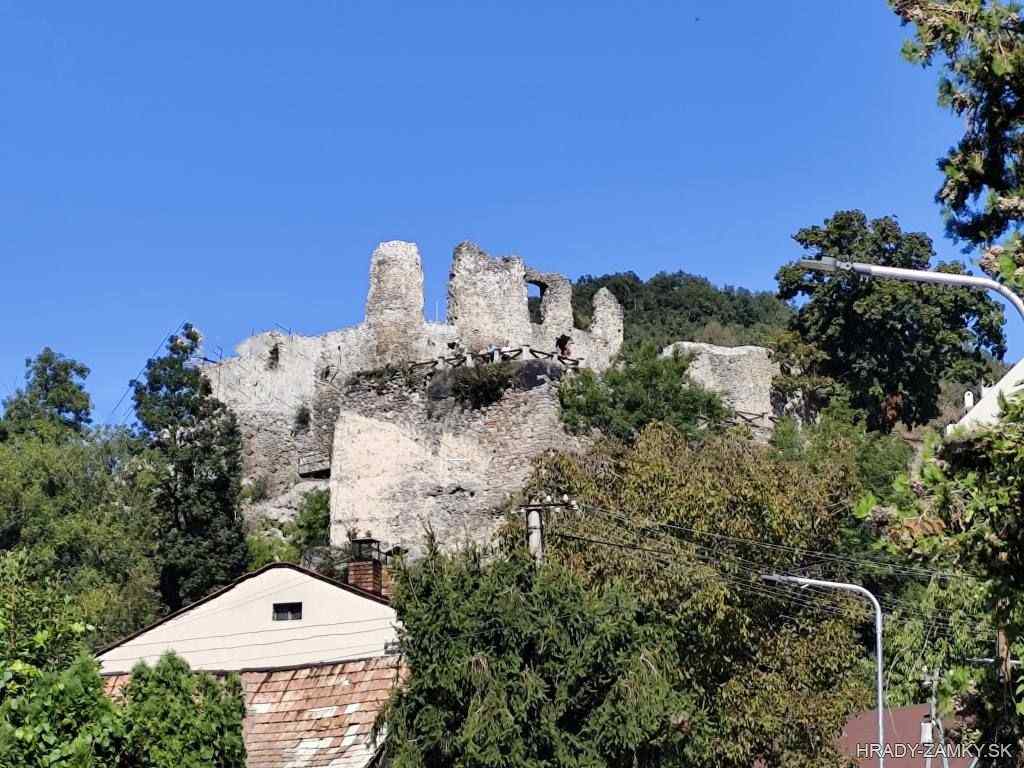
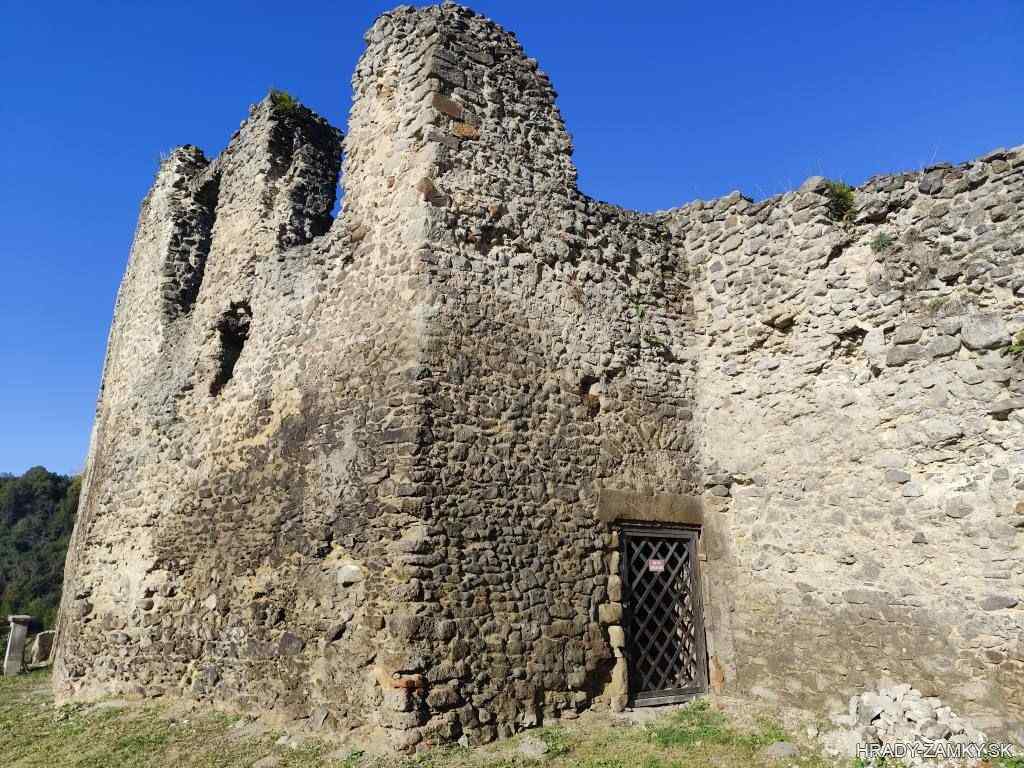
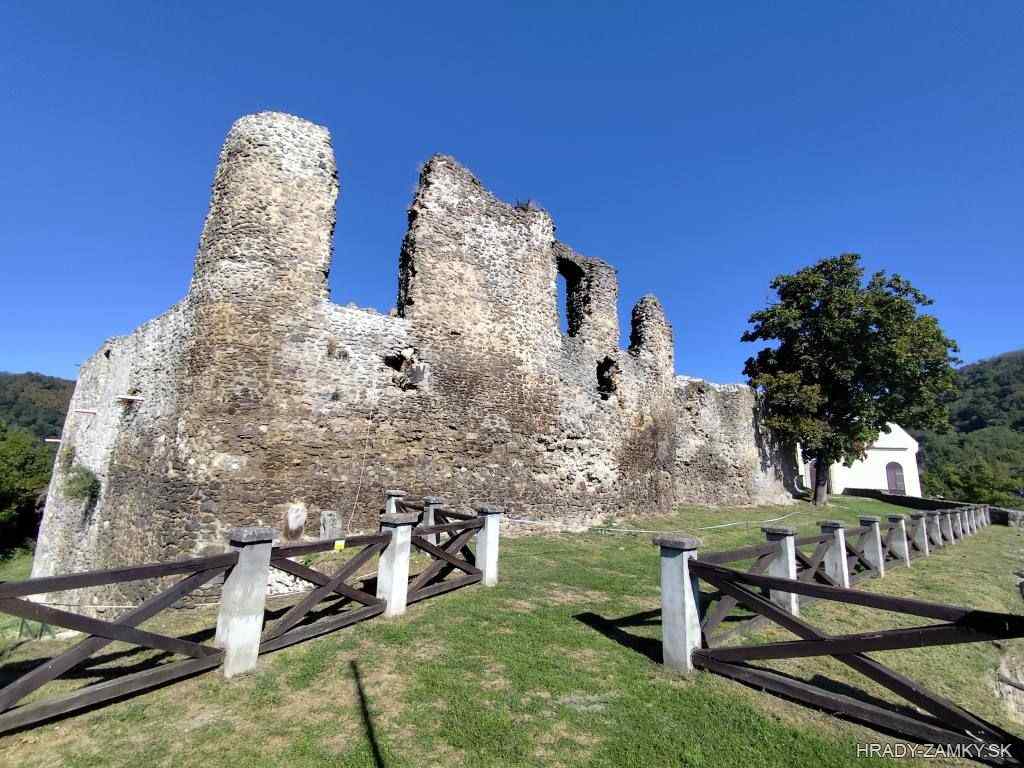
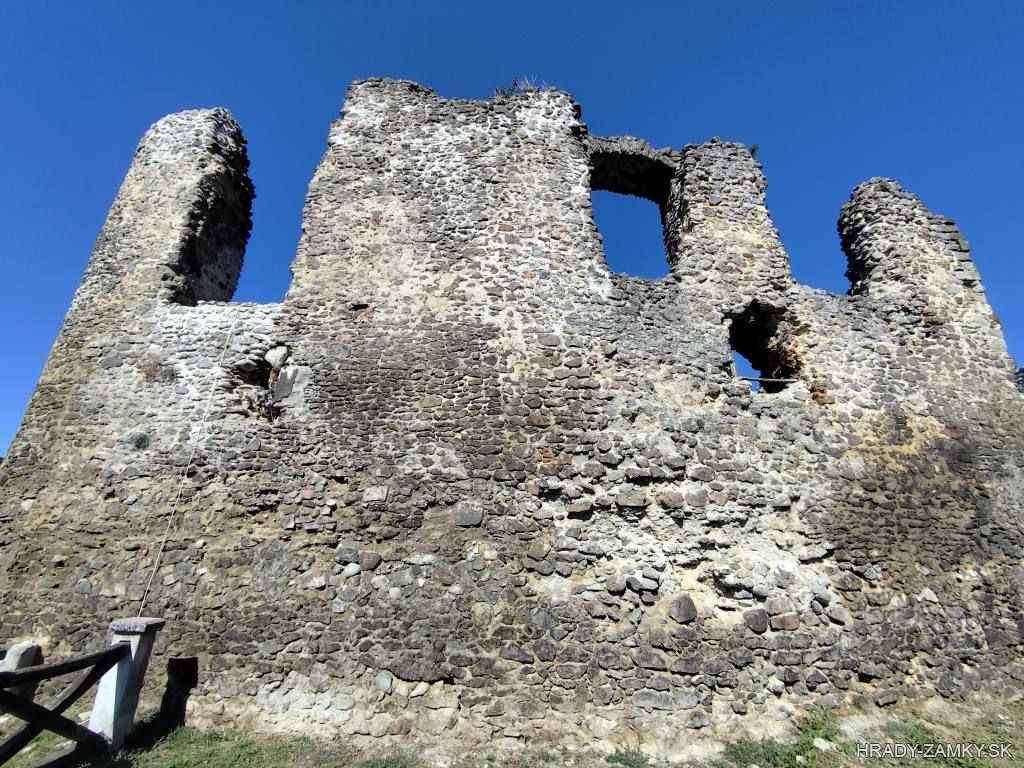
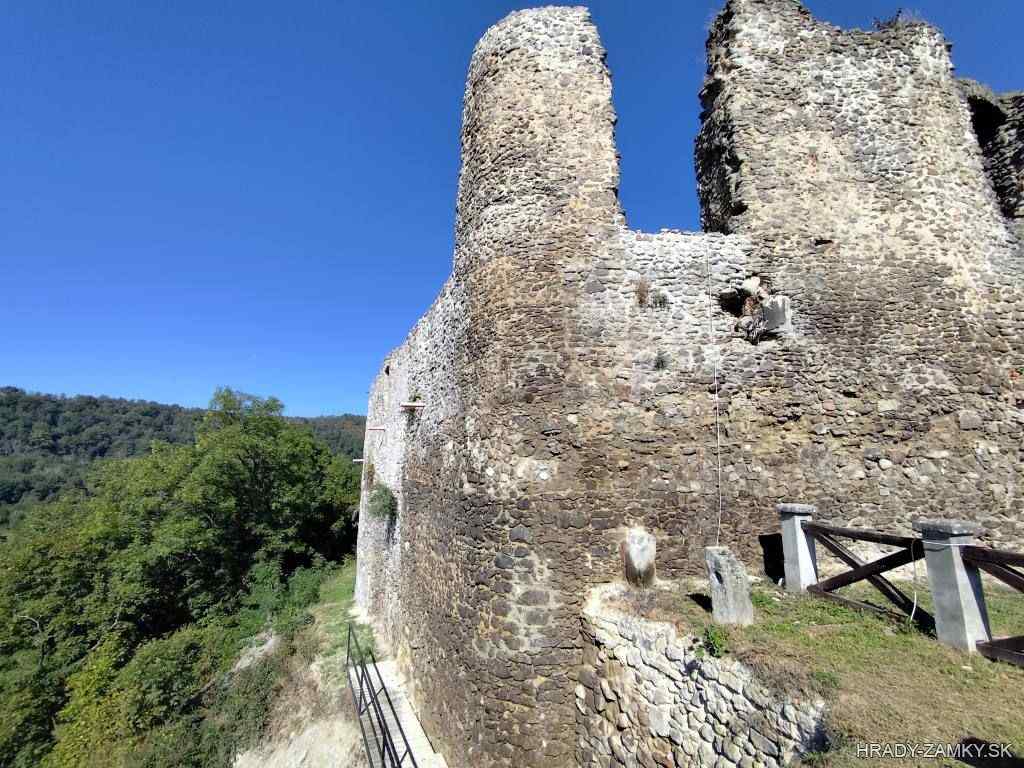
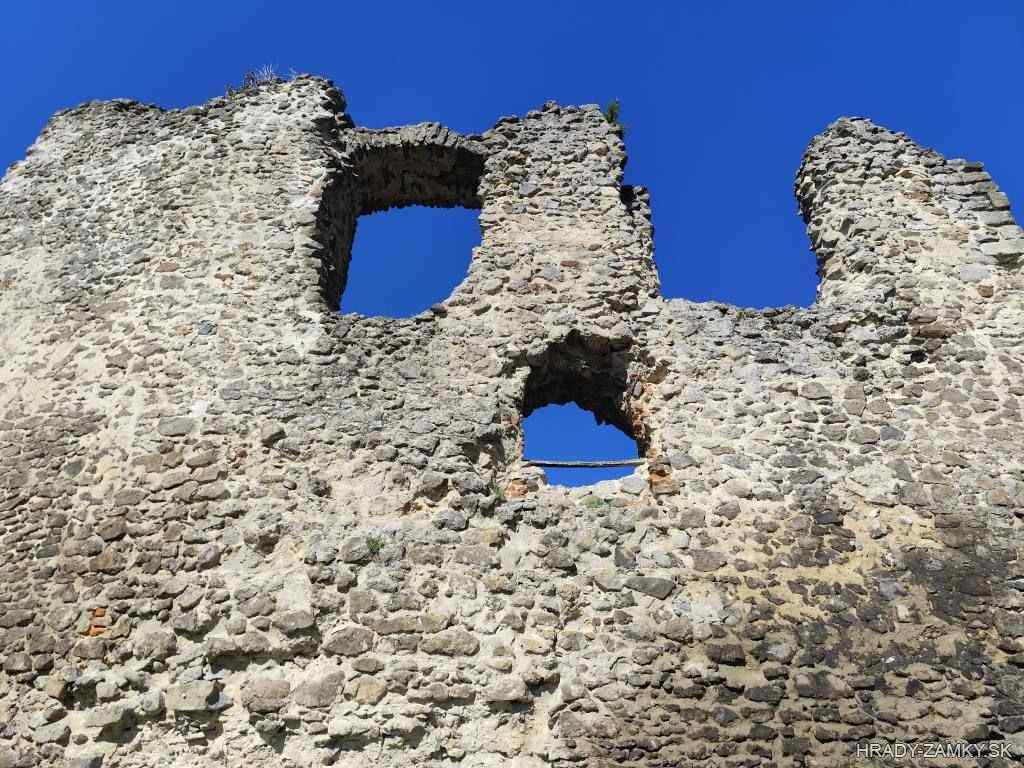
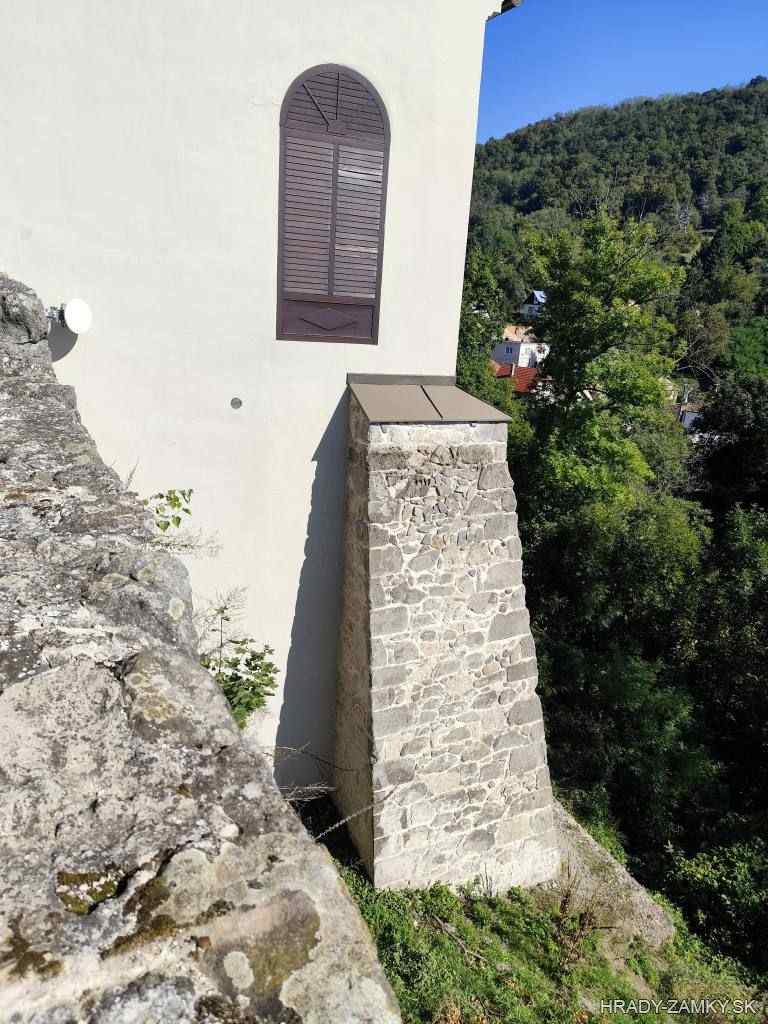
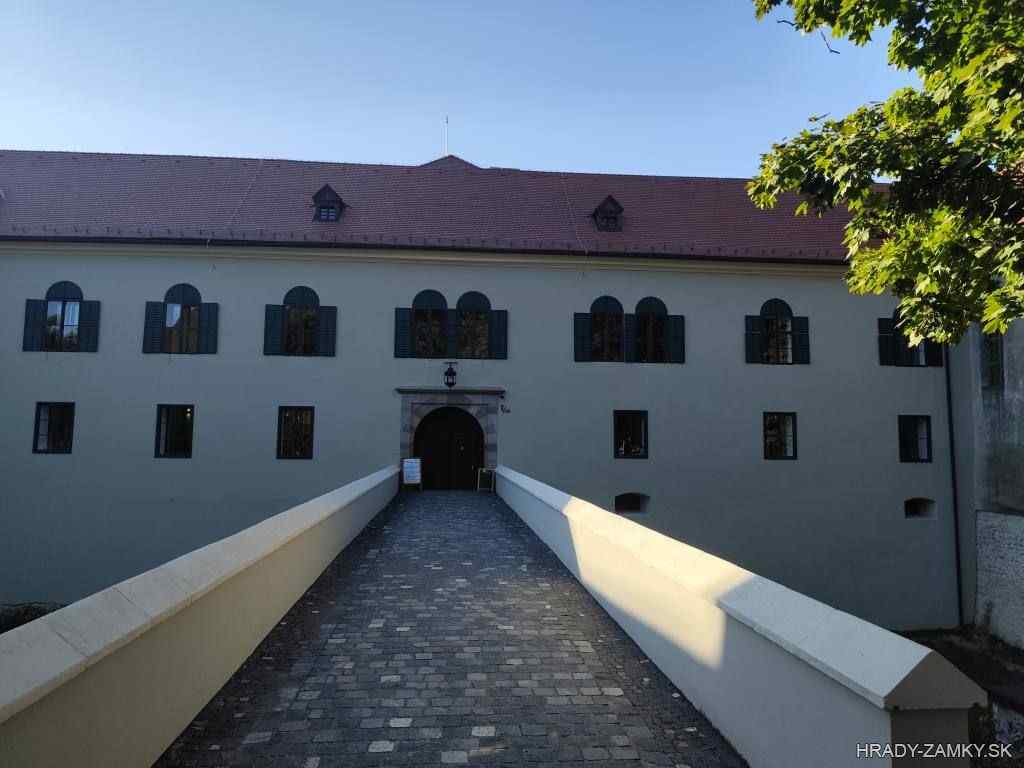
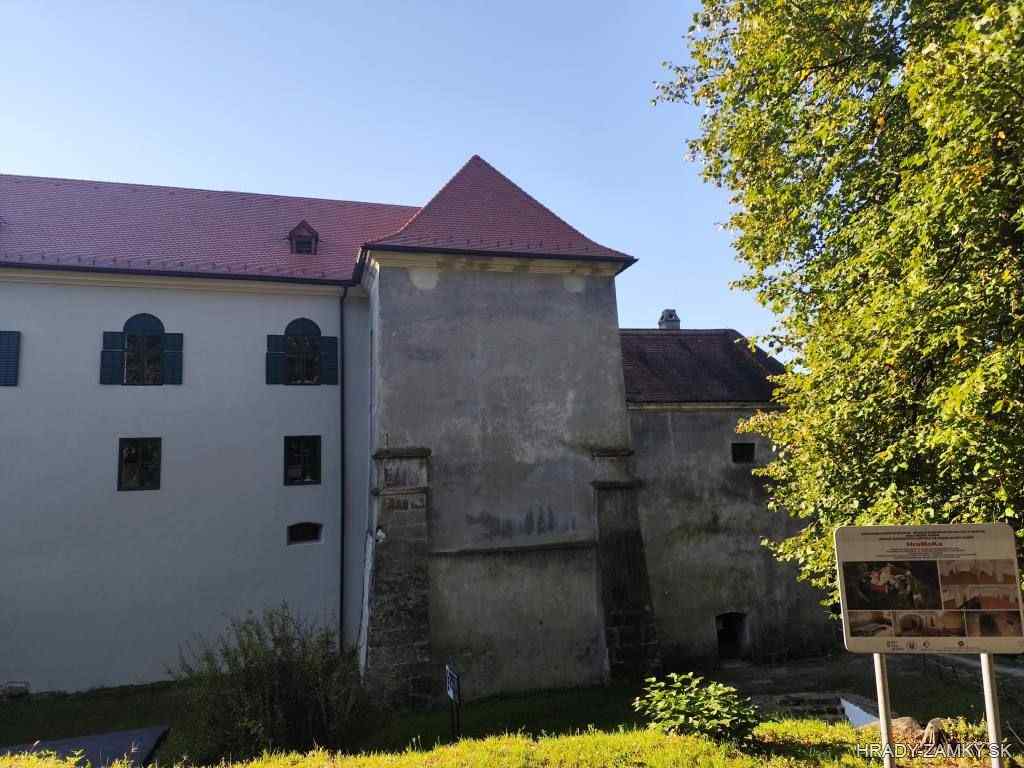
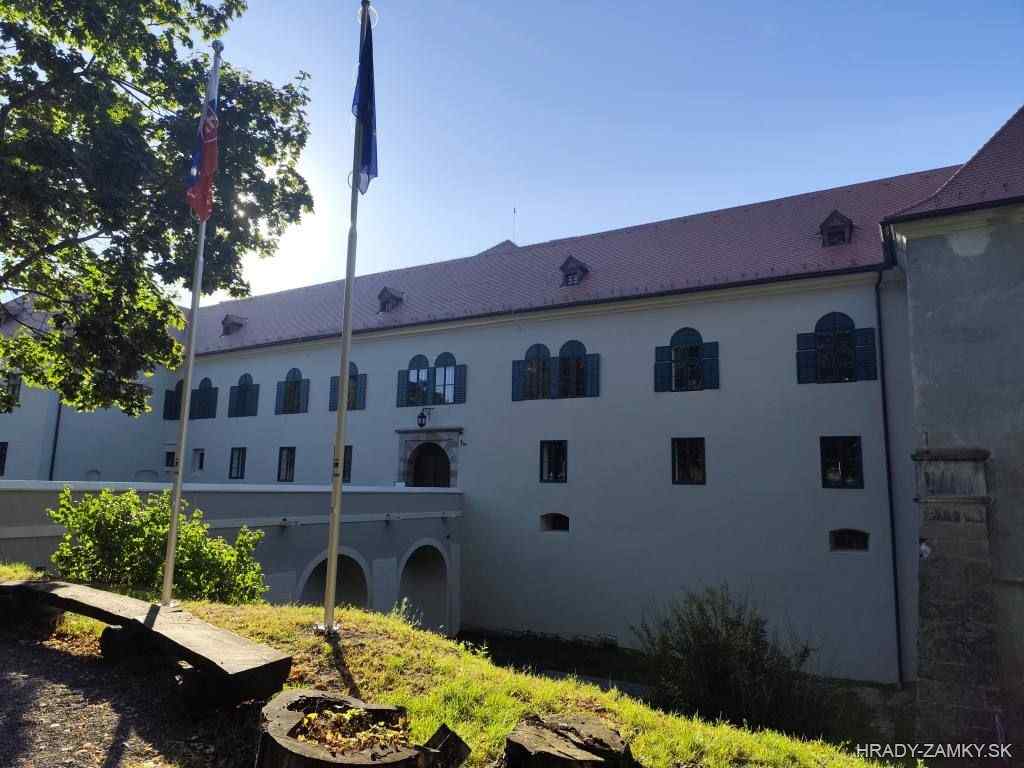
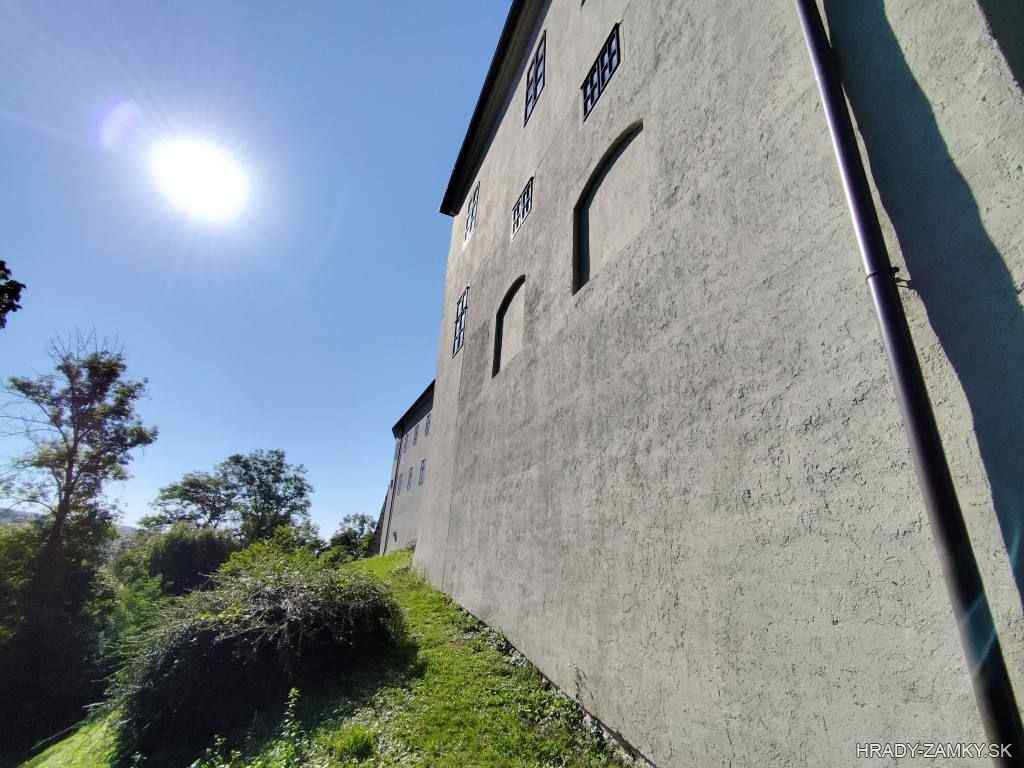
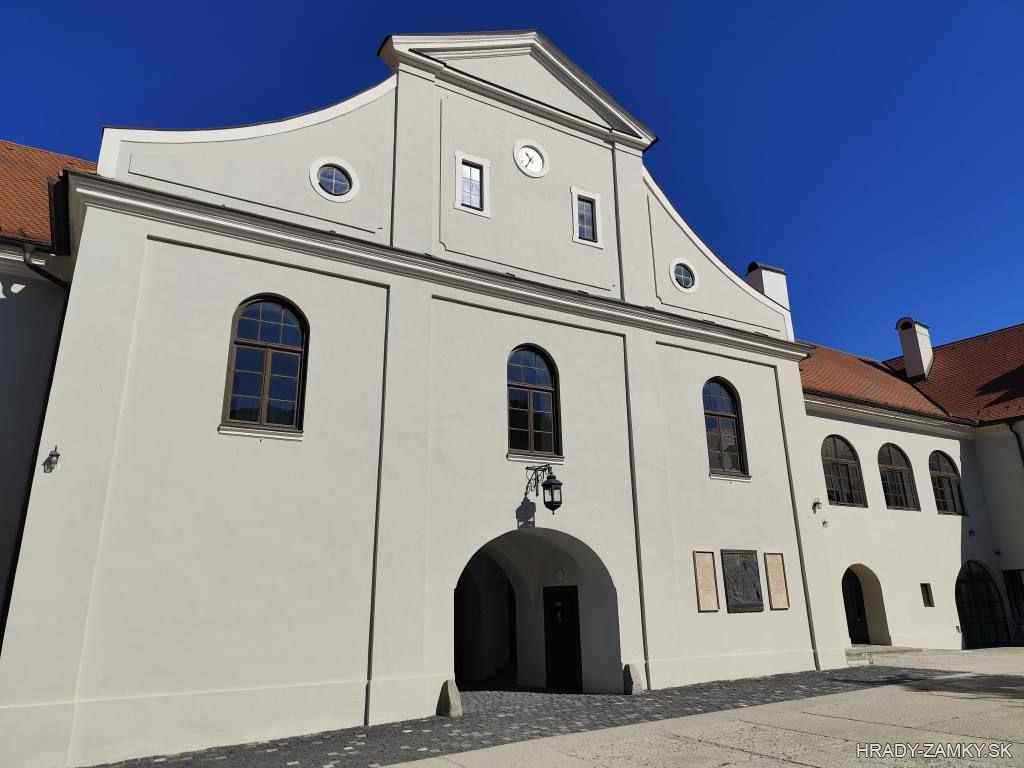
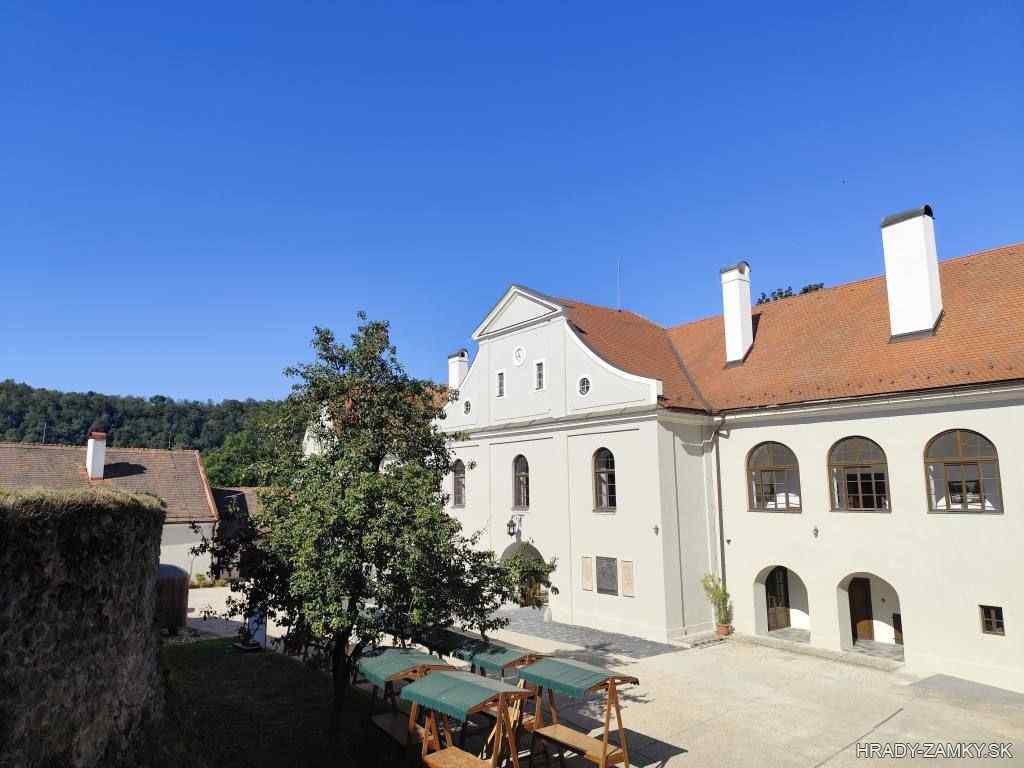
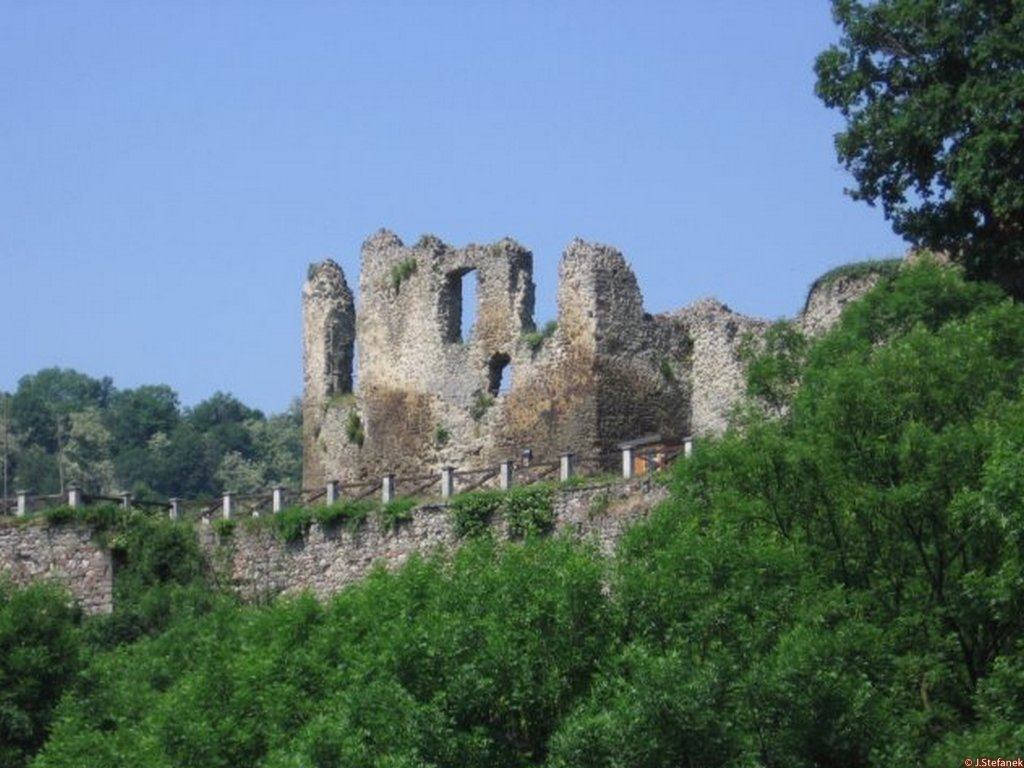
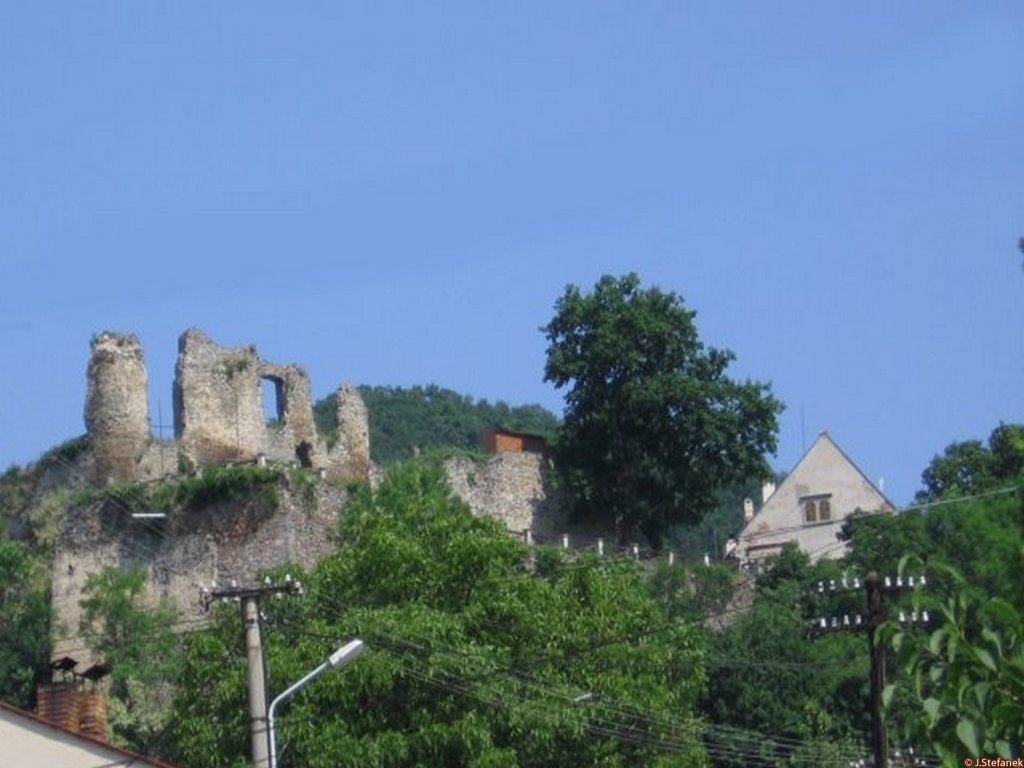
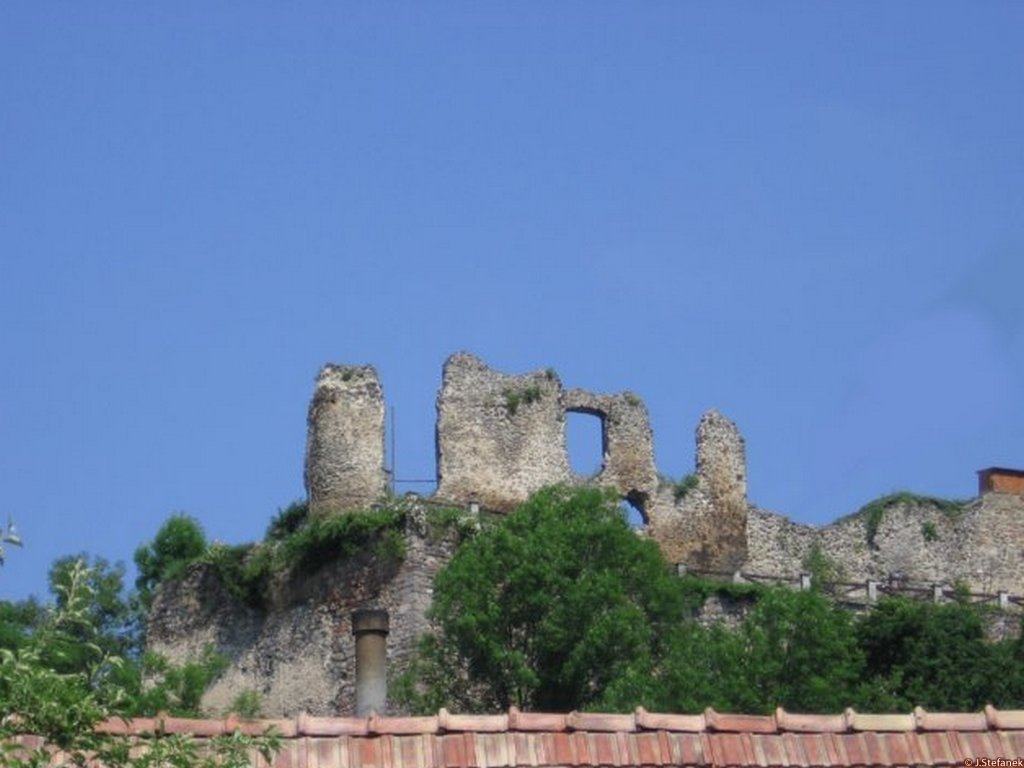
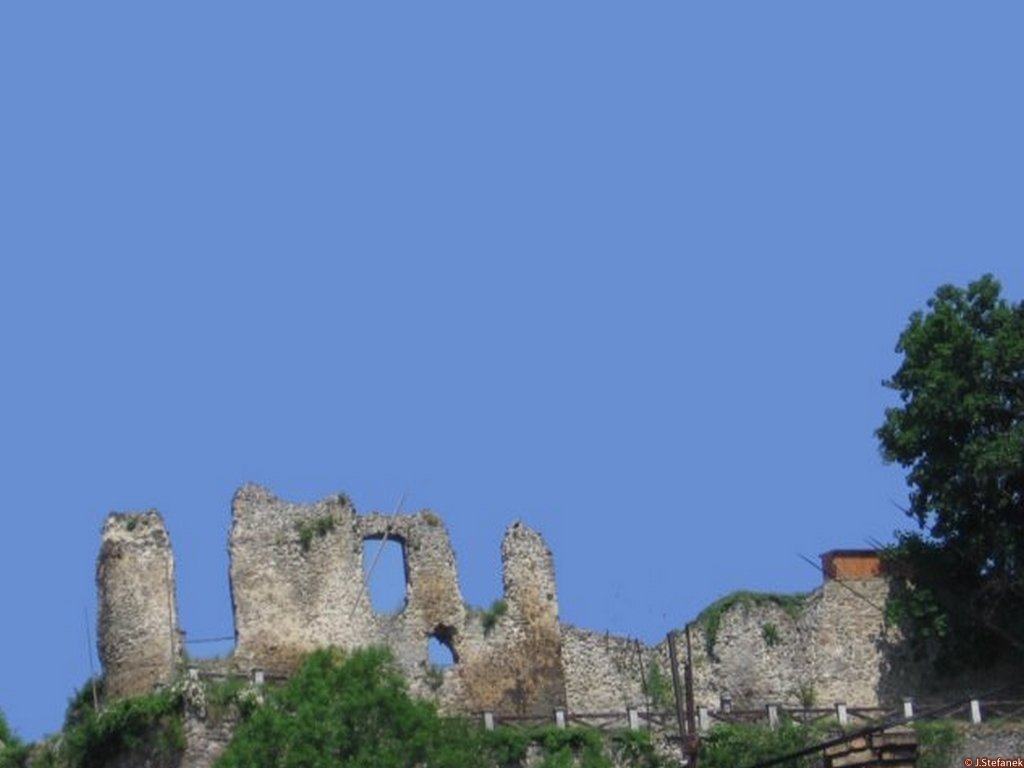
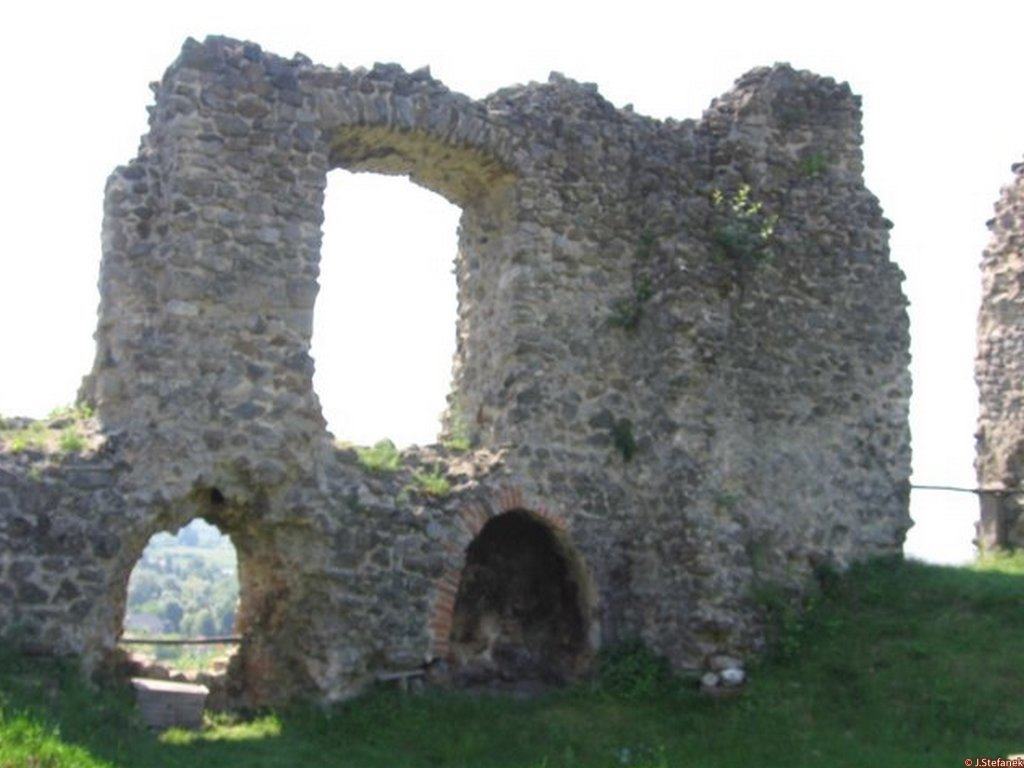
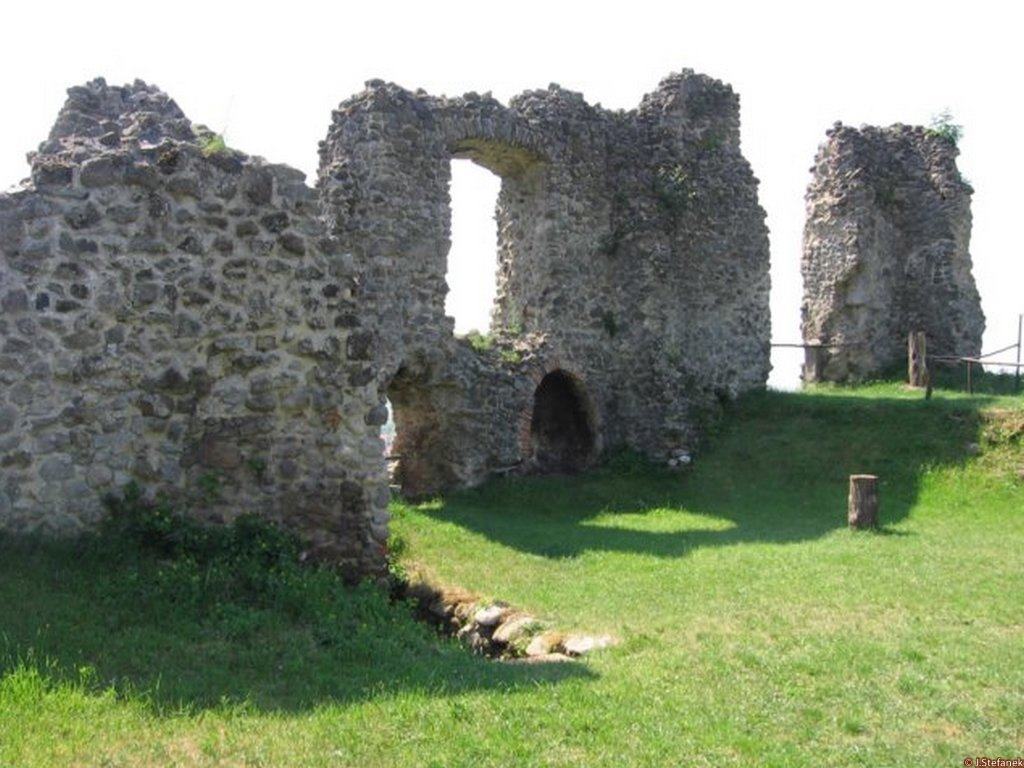
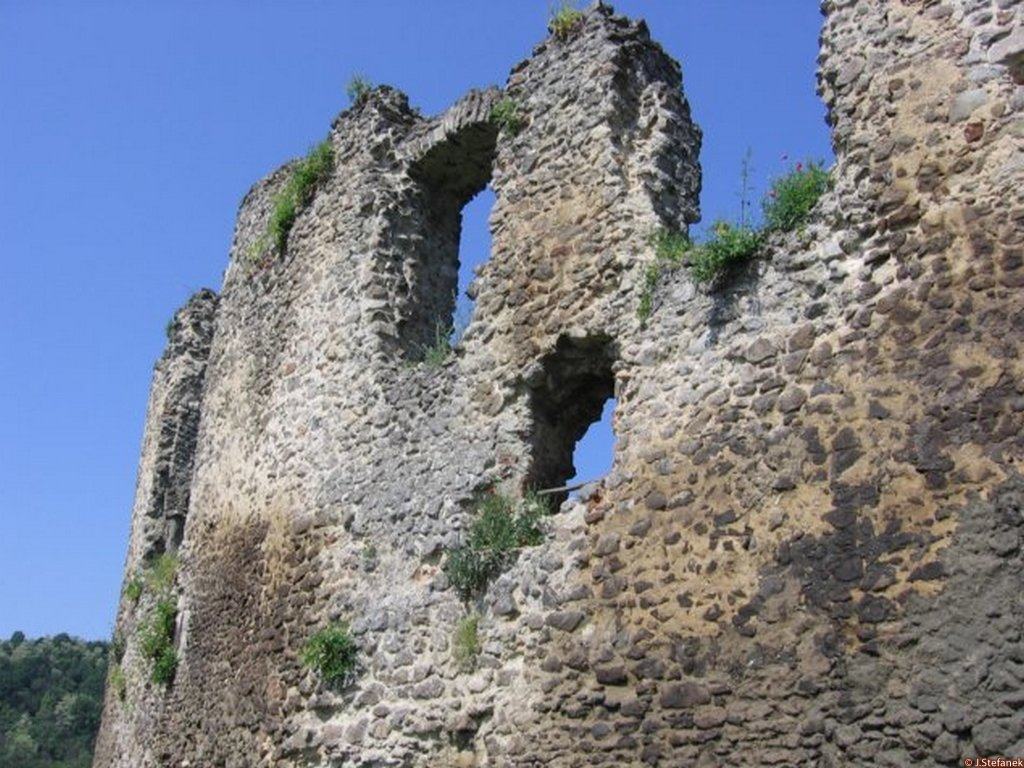
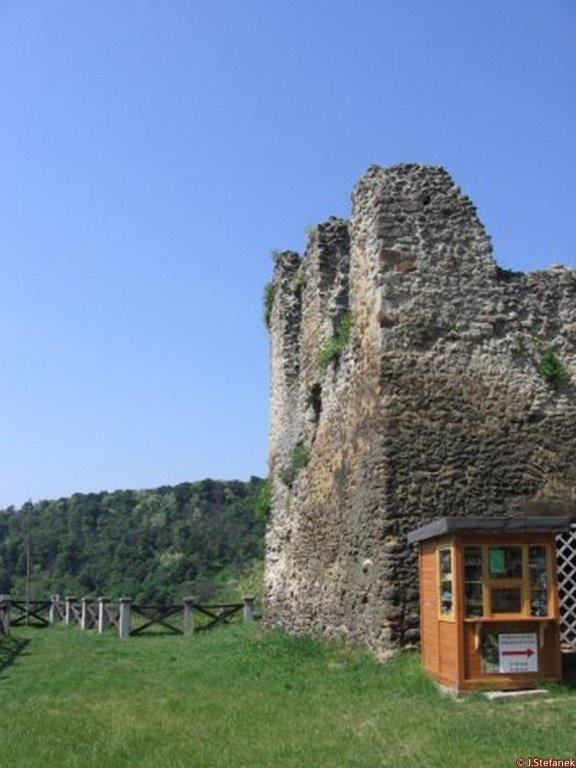
The ruins of the gothic castle Modrý Kameň with a preserved Baroque mansion is located in the peripheral zone of the Krupina Plateau directly in the smallest town in Slovakia - Modrý Kamen
castle ruin
The ruins of the gothic castle Modrý Kameň with a preserved Baroque mansion is located in the peripheral zone of the Krupina Plateau directly in the smallest town in Slovakia - Modrý Kamen
Modrý Kameň, Banská Bystrica region
GPS: 48.243,
19.333
298 m a.s.l.
Access to Modrý Kameň castle is not challenging at all, as the castle is located in the same named town. There are two access roads to the castle. If we come by car from the north side (from Zvolen), a turn to Pánská cesta right at the beginning of the village will lead us to the parking lot in front of the castle. We can get to it also from the other side of Zámocká street directly from the town.
Nearby castles (as the crow flies):
Zelený hrad - 8.5 km, Litava - 14.9 km, Čabraď - 16.8 km, Bzovík - 19.7 km

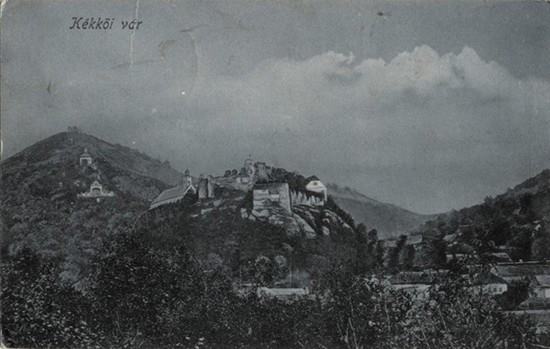
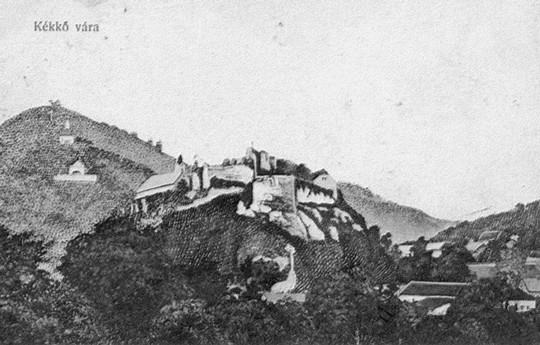
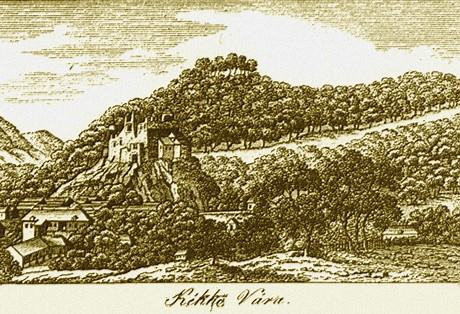
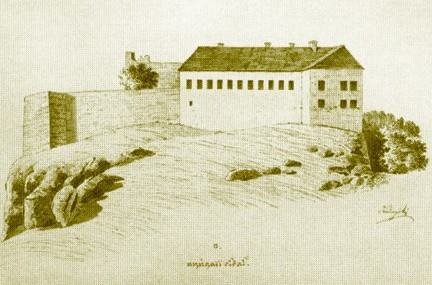
Historical and other names: Keykkw, Kekkew, Kékkö, Blauenstein
The date of construction of this aristocratic residence can only be assumed on the basis of written sources, which state the year 1285. However, a memorial plaque on the building mentions the origin of the castle before the invasion of the Tatars in 1241. From the mention from 1285 we learn about the supposed owner and builder of the castle, which was Peter Forró. After his death, the castle was acquired by the sons of Casimir of the Hont-Pázmány family. But already in 1290 it was recaptured by Peter's siblings, the founders of the Balašov family, whose descendants owned the castle until the end of feudalism. The castle was later forcibly seized by Matúš Čák, but after his death the king returned the castle to the ancestors of the Balass family. The first known owner was the Zvolen county governor, regional prosecutor Ditrich. In 1562, King Ferdinand I of Habsburg appointed the owner of the castle, Ján Balassa, as the mayor of Zvolen and commander of the troops of the mining area. The rapid progress of the Turks in the years 1567-1568 caused an increase in the castle's defenses by building new buildings designed for artillery and the residence of a larger garrison.
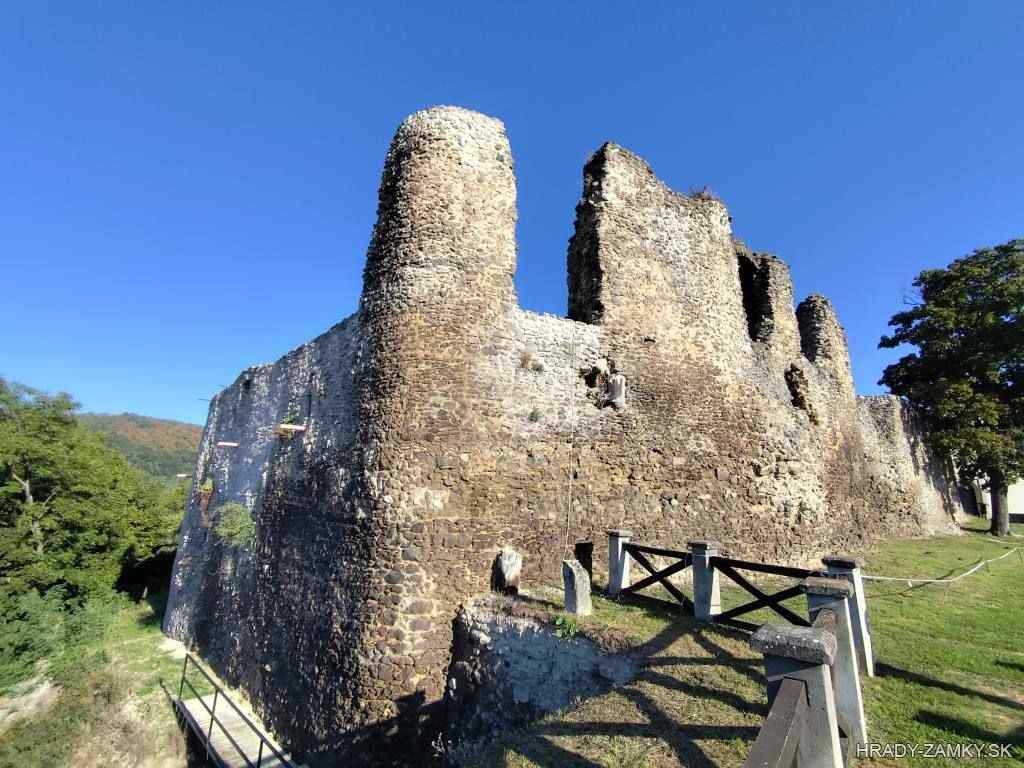
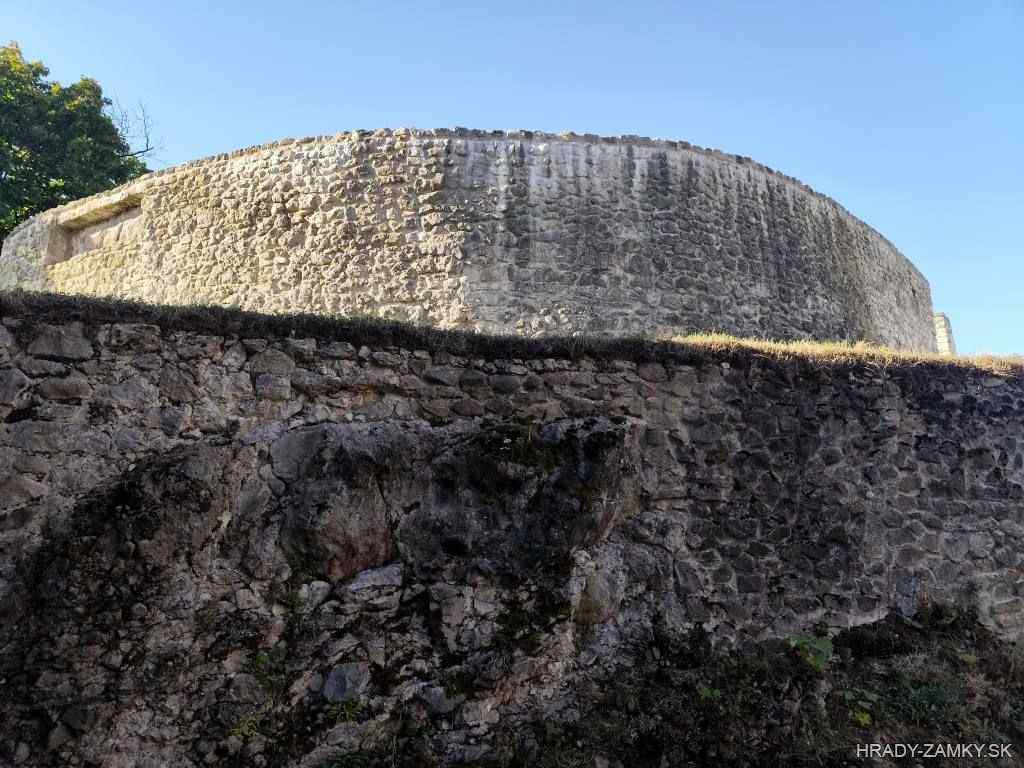
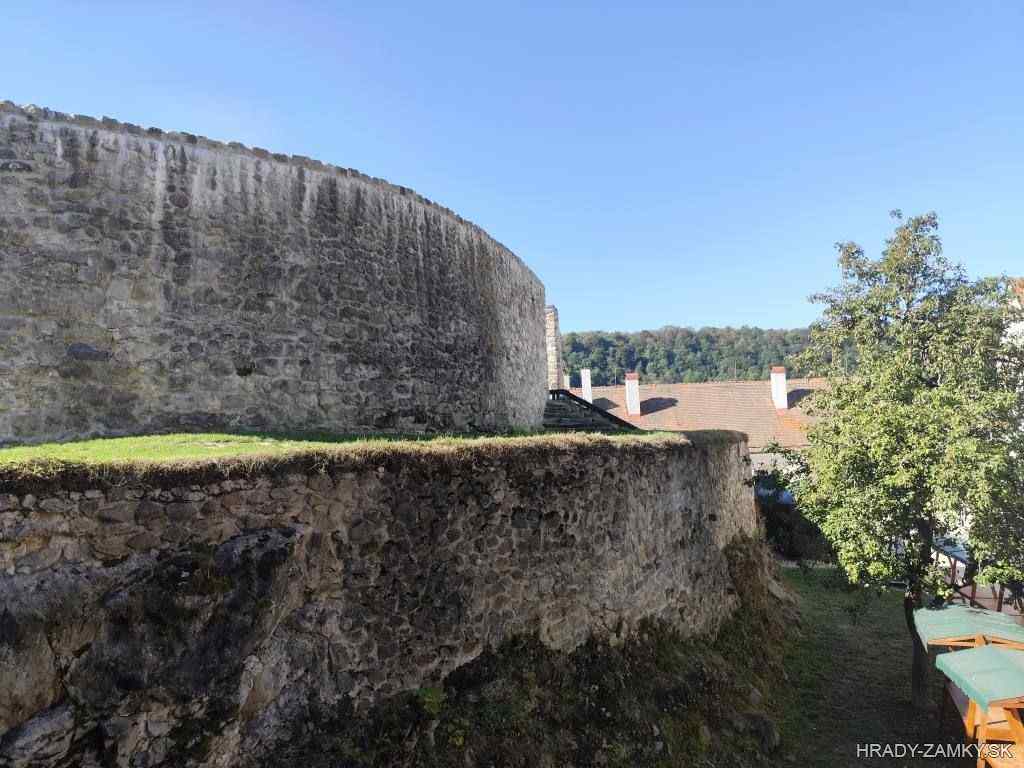
As early as 1575, however, the Blue Stone was attacked by the Turks and after three days of siege, it was finally conquered. In 1578, the Turks expanded the area of the castle with palisades. In 1588, the Hungarian army tried to conquer the castle, but without success. However, they managed to burn down the fort and even the castle core. As part of the anti-Turkish offensive at the end of the 16th century, a military operation led by Mikuláš Pálffy succeeded in reclaiming most of the fortresses. During the retreat, however, the Turks blew up the Blue Stone Castle, so Sigismund Balassa had to costly reconstruct it after its re-acquisition in 1609-1612. Probably during this period, the artillery platforms were also modernized and the SE quadrangular bastion was built. At the site of the older fortification, a three-winged palace structure was gradually formed in the floor plan of an irregular U, including a chapel. At the time of the estate uprisings at the beginning of the 17th century, the castle owner Žigmund Balassa applied for the position of prince of Transylvania. He did not hesitate to associate with the Turks, only to gain majority support. However, his intention was revealed and the Blue Stone Castle was conquered by the royal army in 1616 and Sigismund was imprisoned. However, Turkish attacks on this area continued until the Turks regained the castle in 1659. The repeated damage to the castle is also mentioned in 1663, when it was again conquered by the rebel army of Imrich Thököly.
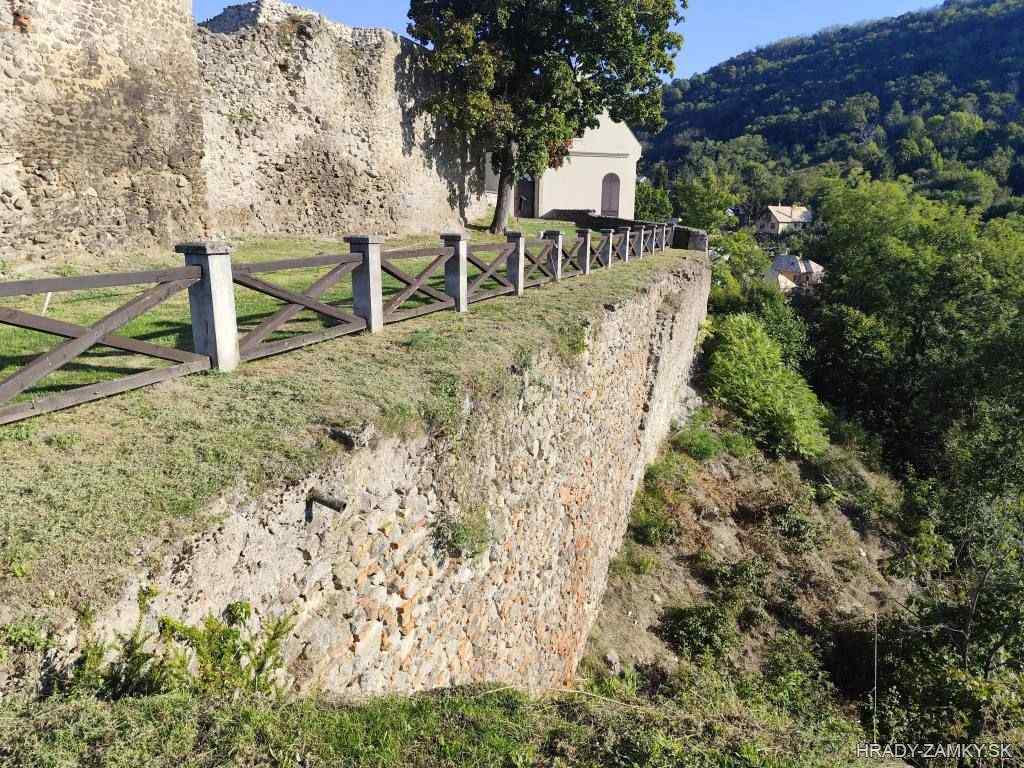
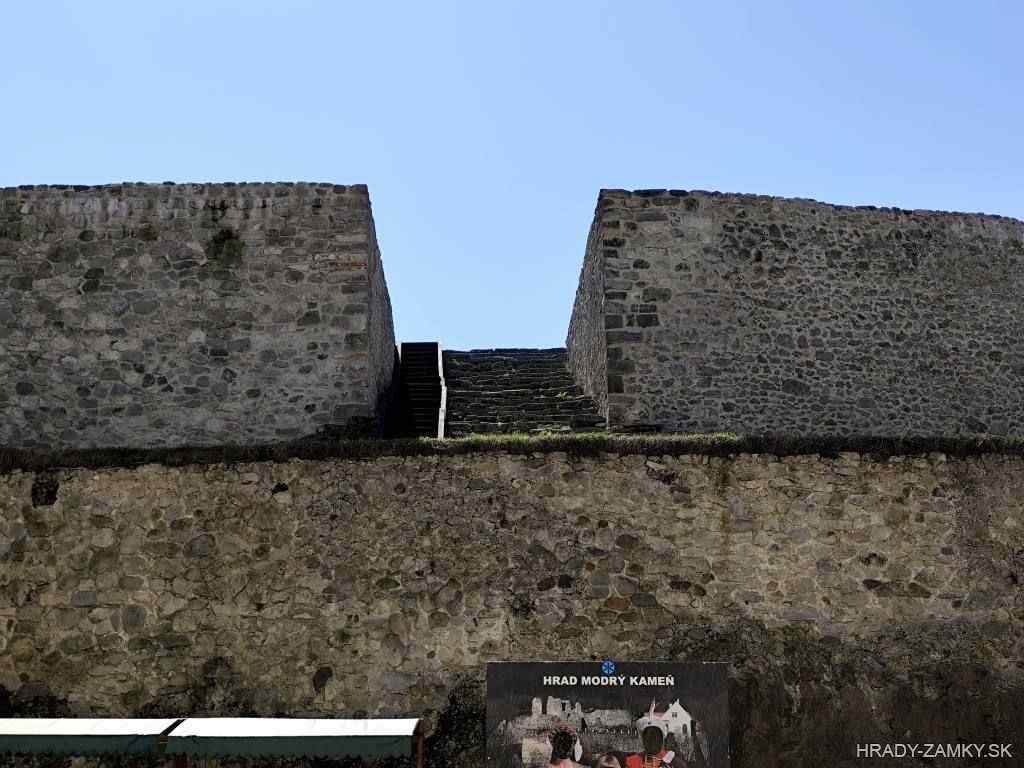
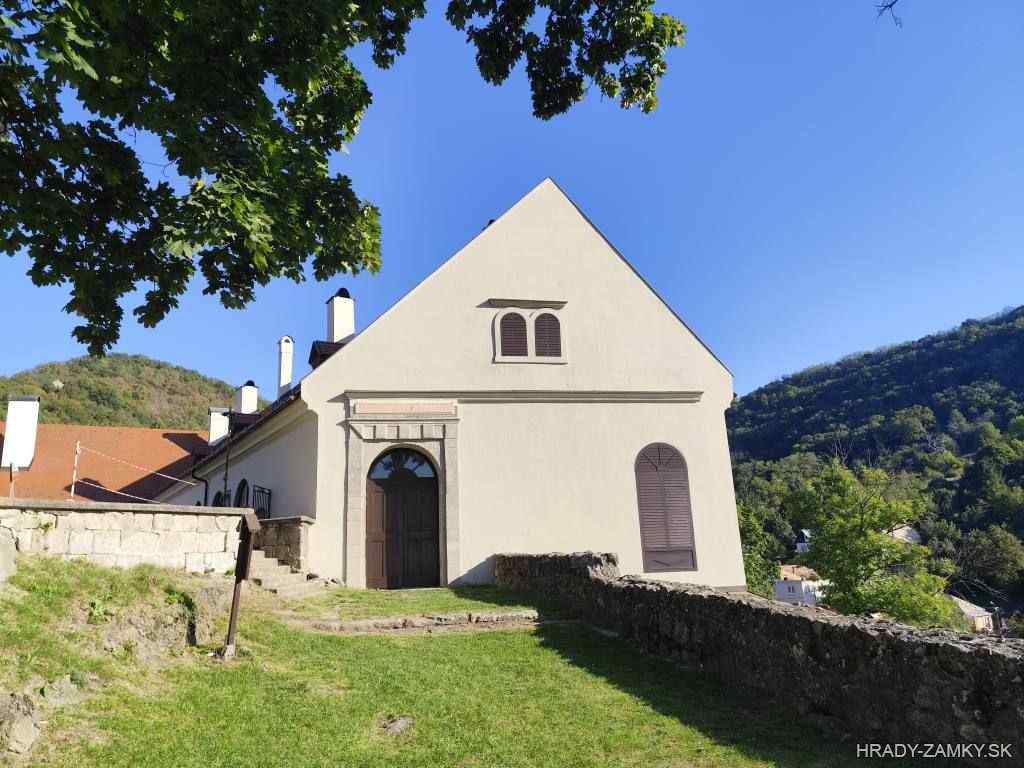
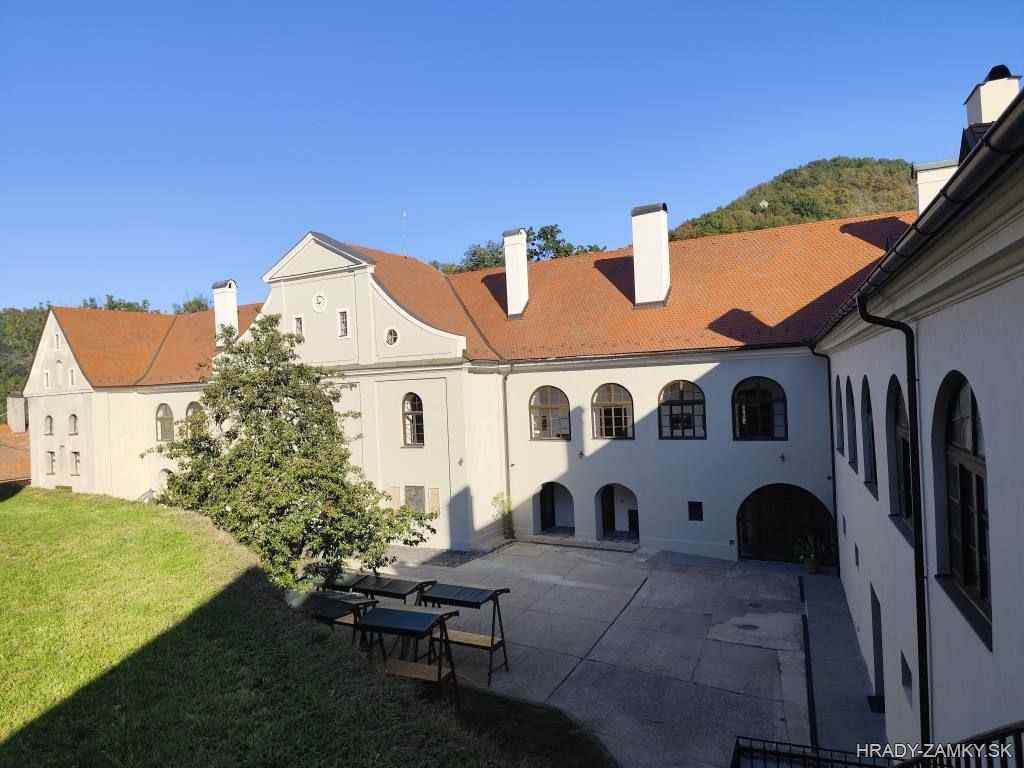
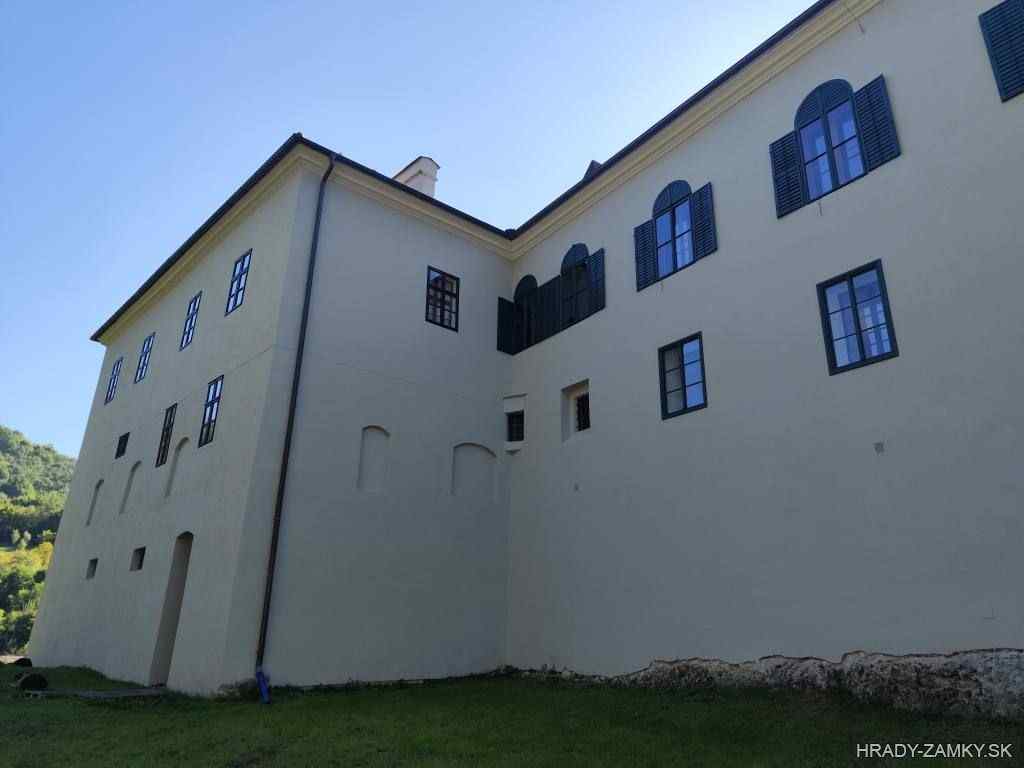
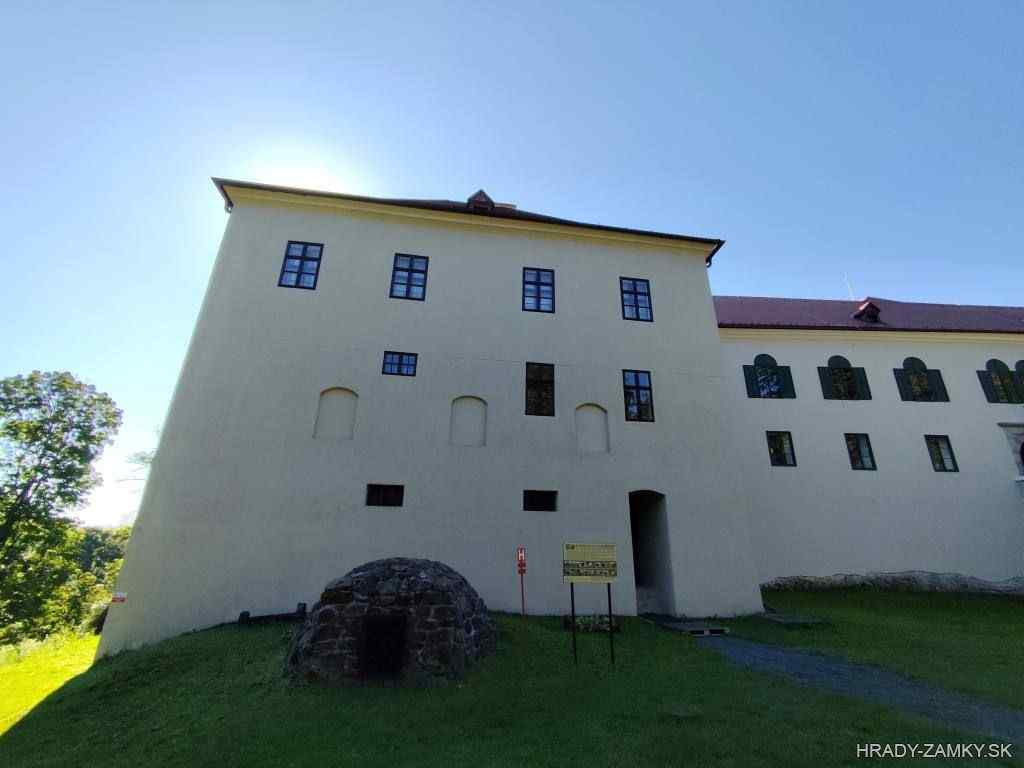
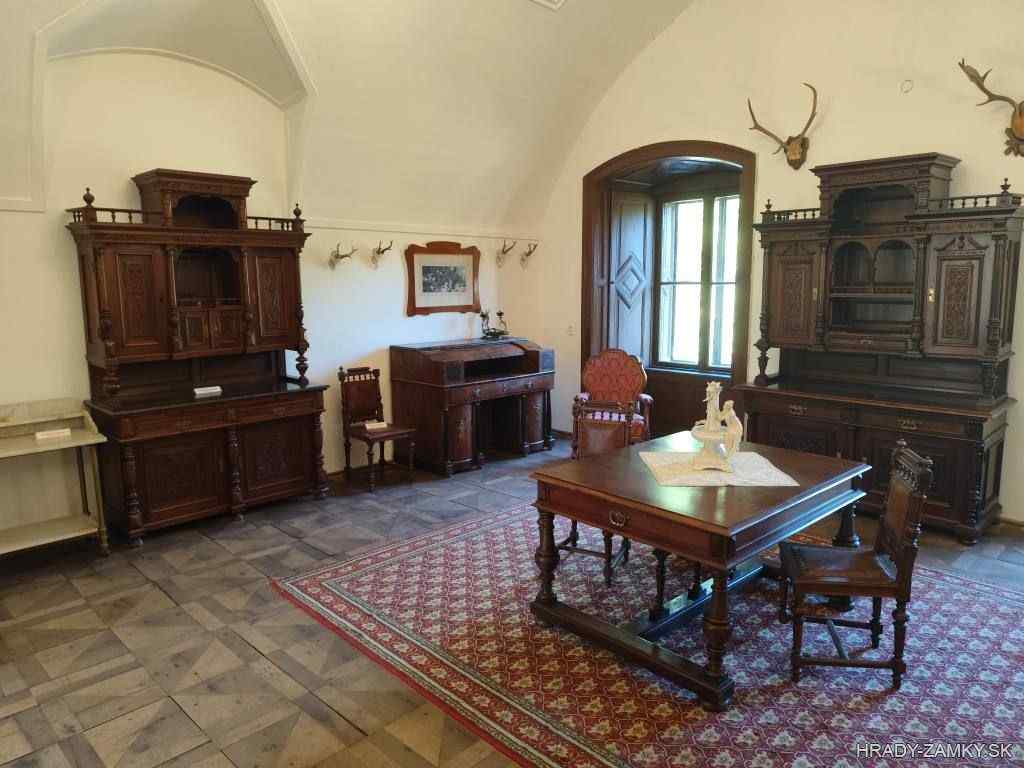
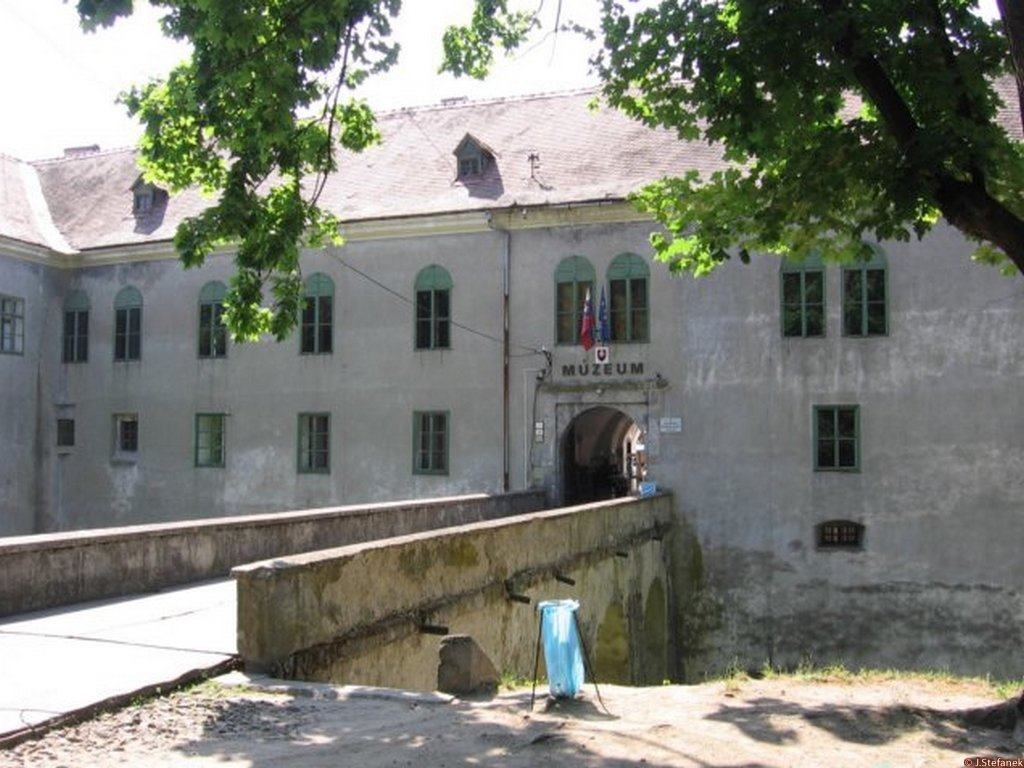
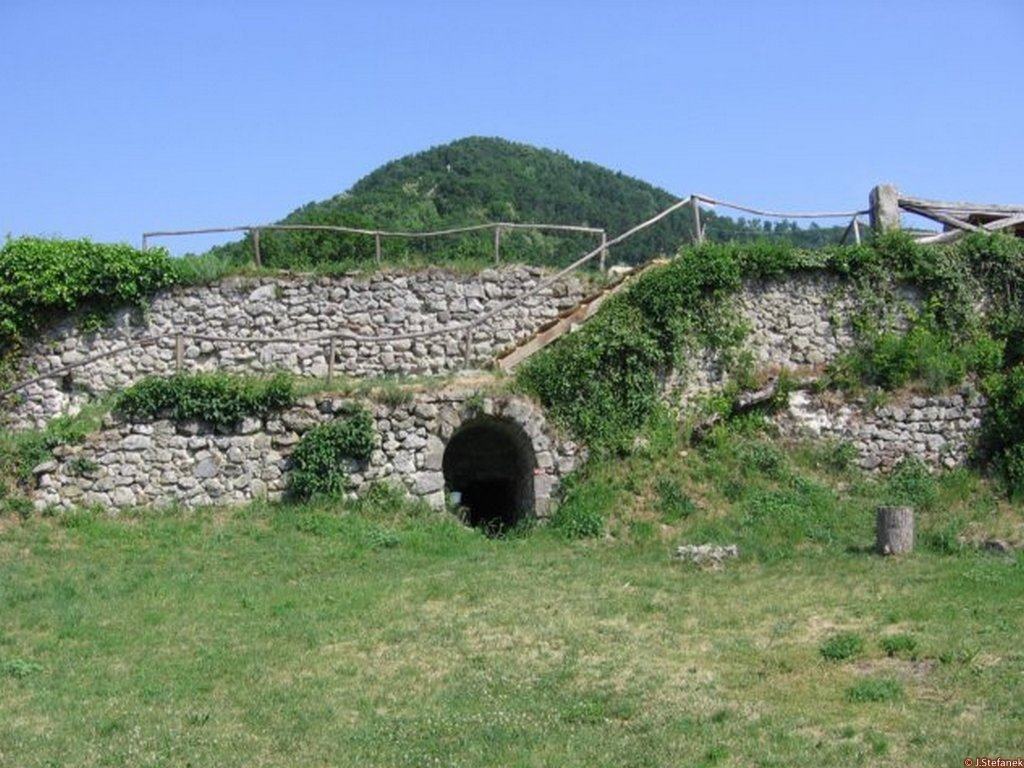
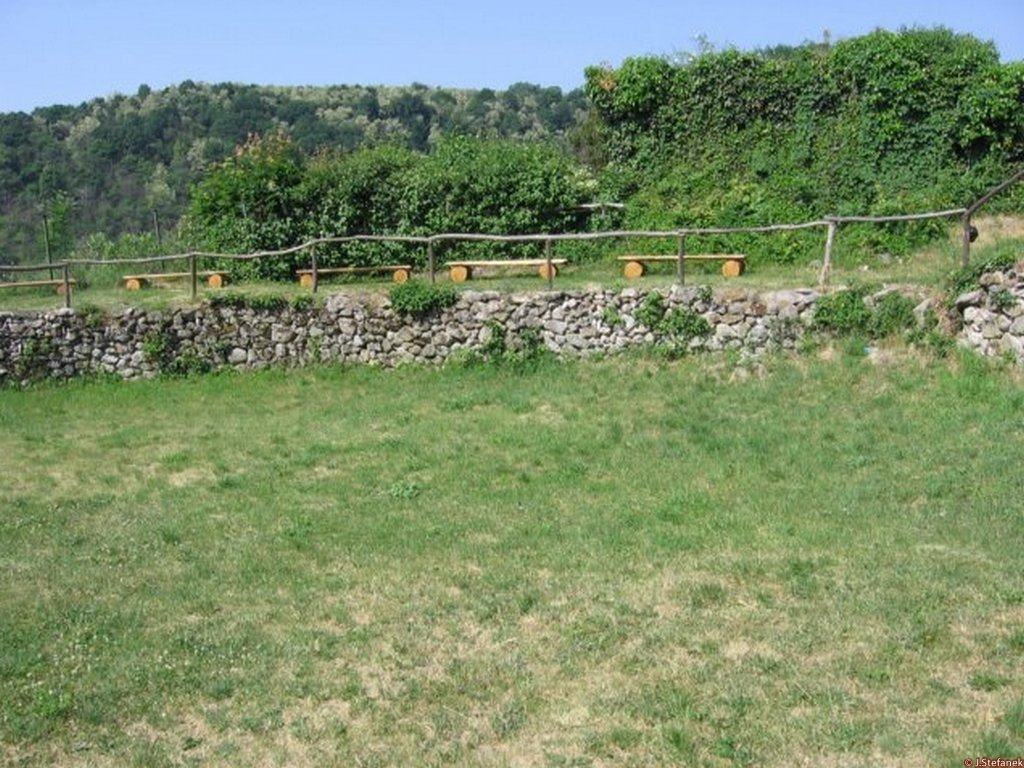
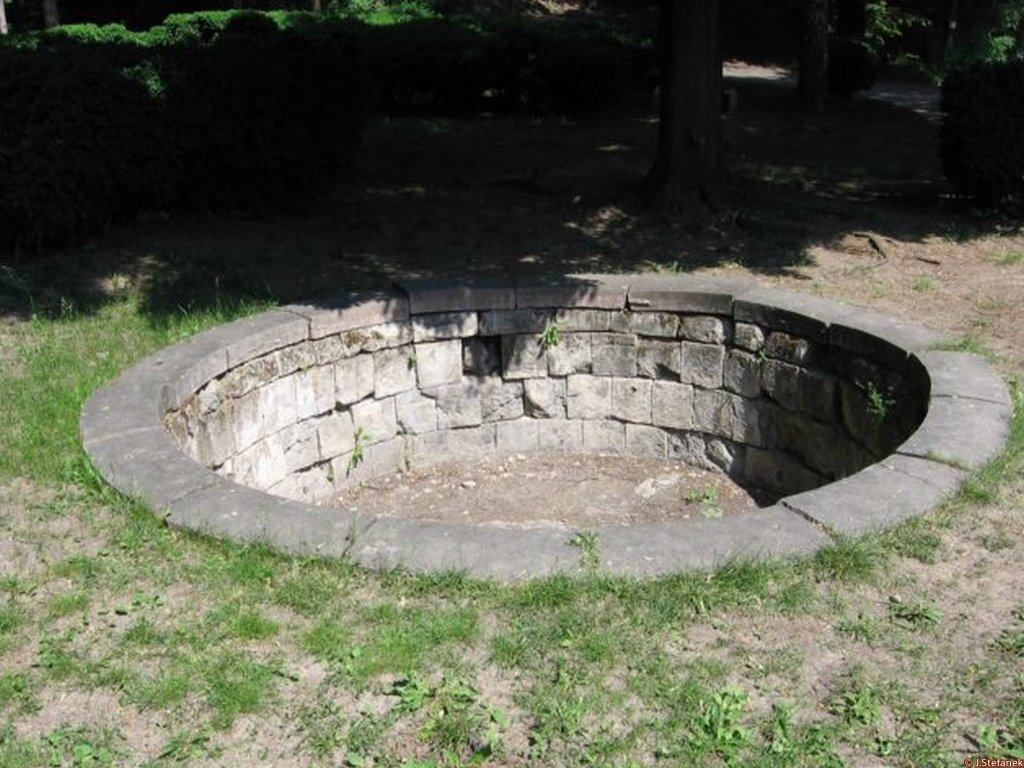
After this period, the castle core was no longer restored, only Gábor Balassa had the palace in the forecourt rebuilt in the first half of the 18th century (1730) into a comfortable manor house. The manor then acquired its present appearance, and the entire reconstruction was completed with the consecration of the castle chapel in 1759. At the end of the 19th century, the ruins of the upper castle were converted into a park with terraces and the walls of the castle core were preserved as a monument in 1998. The last owner of the castle was Countess Almášiová, who in 1923 sold the entire complex to the state. At present, the manor houses the Museum of Puppet Cultures and Toys.
 How to Get There – Modrý Kameň


 Architecture
 Photo Gallery










 History – Modrý Kameň
 Legends and Tales