Levice Castle probably originated in the second half of the 13th century as a royal guard castle on a rocky elevation above the floodplain of the Perec stream. Its position enabled control of an important route leading from the Hron valley towards Hont, and later it was also connected with the function of the seat of Tekov County.
In the literature, the castle is already associated with a reference from 1274 as castrum Lewa, but the year 1318 is considered more securely documented, when the castle was in the hands of Matthew Csák of Trenčín.
After Matthew Csák’s death in 1321, Levice returned to royal ownership. In the following decades the castle was administered by royal castellans, and around the middle of the 14th century it is also mentioned as a queen’s castle. An important turning point came in 1388, when King Sigismund of Luxembourg granted Levice to Ladislav of Šarovce, ancestor of the Levický family, also known under the historical form of the name Lévai Cseh. This family belonged among the most important holders of the castle and owned it until the male line became extinct in 1553.
In the 15th century the castle resisted Hussite attacks. In 1431 the Hussites failed to capture Levice, although the settlement below the castle was burned. Shortly afterwards the castle was apparently affected by a fire, documented in 1434, after which the damaged parts had to be repaired or rebuilt.
In the second half of the 15th century, ownership of the castle became complicated by pledges and division of property. After Ladislav Lévai Cseh was captured by the Turks in Serbia in 1459, one half of Levice was pledged to Michal Ország. Later, between 1496 and 1522, part of the estate was pledged to František Haraszti. Despite these pledged holdings, Levice remained primarily associated with the Levický family.
During the first half of the 16th century, the castle gained increasing military importance. After the death of Gabriel Lévai Cseh during the siege of Turkish-occupied Pest in 1542, Levice came under the influence of the Balassa family through his widow Anna Thurzó and Menyhárt Balassa.
In 1544, the Ottoman army attempted to capture the castle in a surprise night attack, but the defenders under Balassa’s command repelled the assault. According to later accounts, the retreating Ottoman units were pursued towards the Ipeľ, and another clash took place in the area of present-day Salka and Ipeľské Pastovce, where the combined Hungarian and Moravian forces achieved a significant victory. This event confirmed the growing importance of Levice as a stronghold of anti-Ottoman defence in the Hron region and on the approach to the mining towns.
Menyhárt Balassa, however, also used the unsettled situation for his own benefit, and his conduct provoked numerous complaints. In 1549, therefore, the royal army under the command of Niklas of Salm took action against his castles. Balassa avoided the siege and left for Transylvania, while he entrusted the defence of Levice to Tomáš Dacsó. On 14 May 1549 the royal army captured the castle. Levice subsequently returned to Ján Lévai Cseh. When he died in 1553 without a male heir, the castle passed to the Royal Chamber.
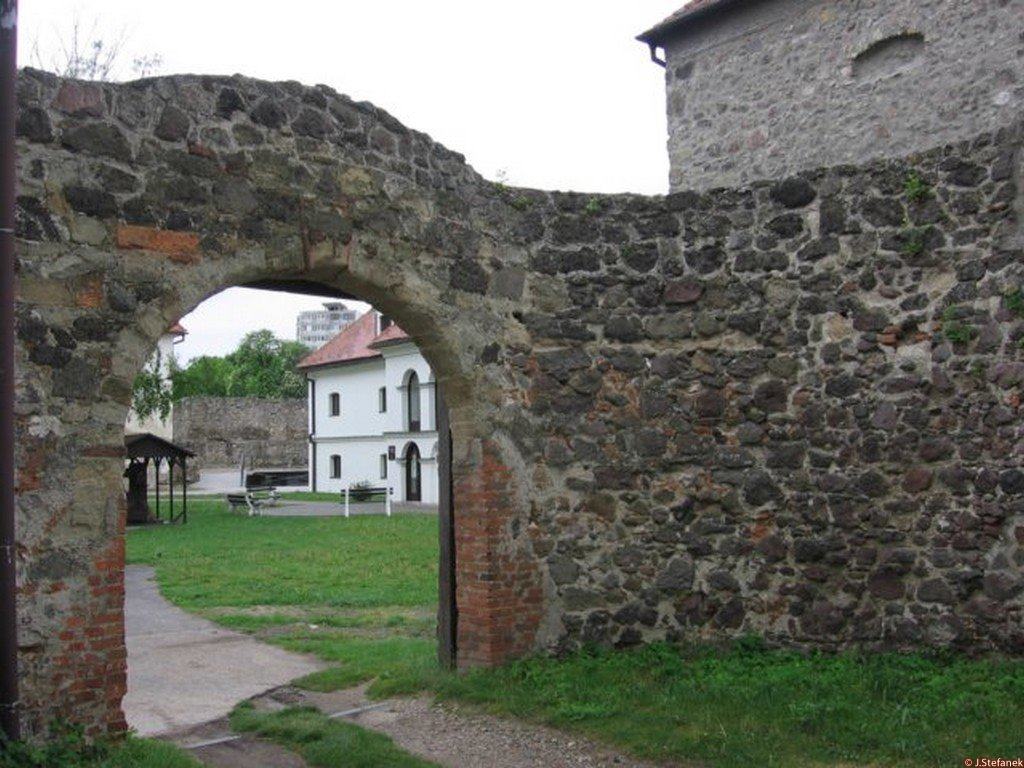
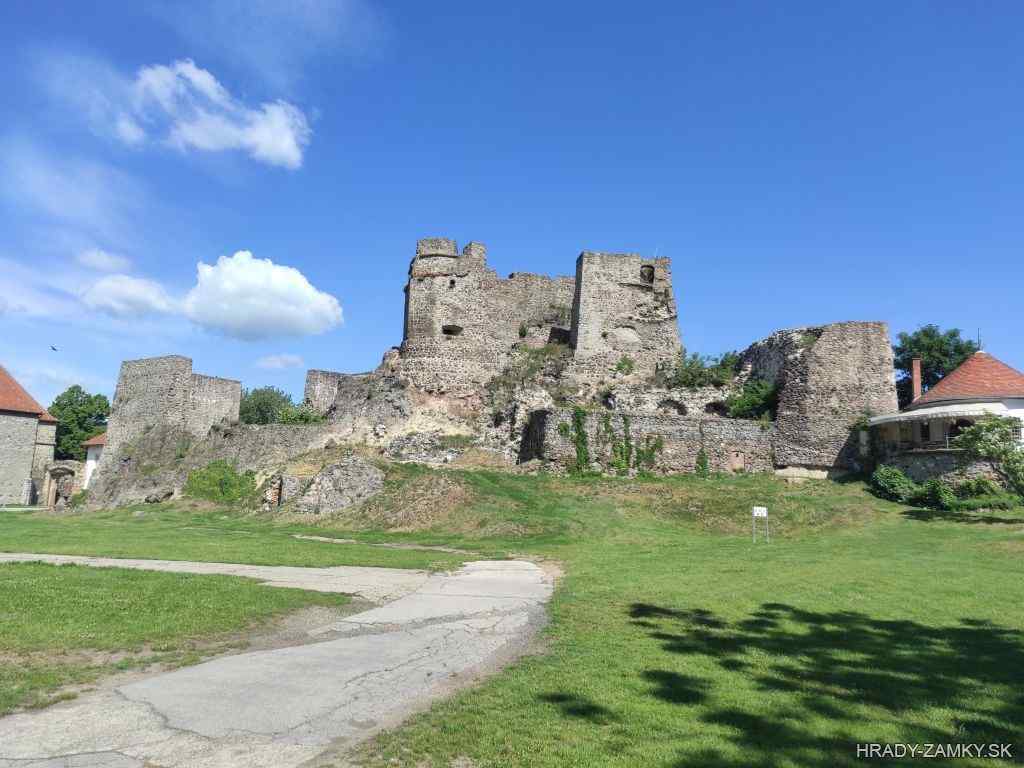
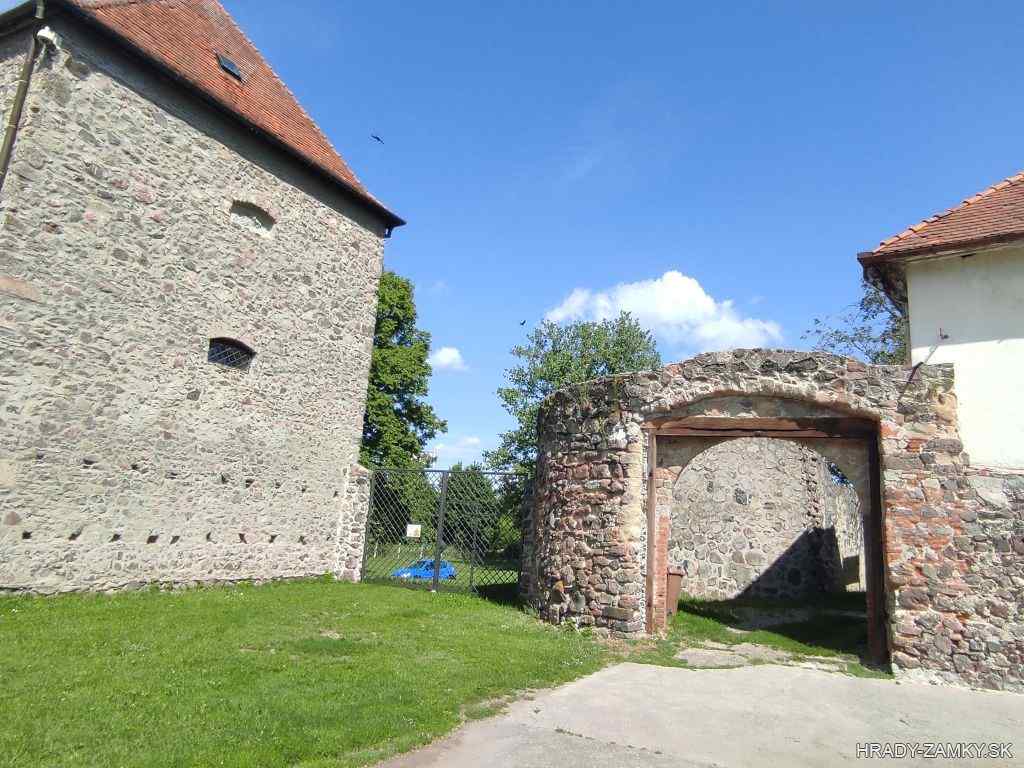
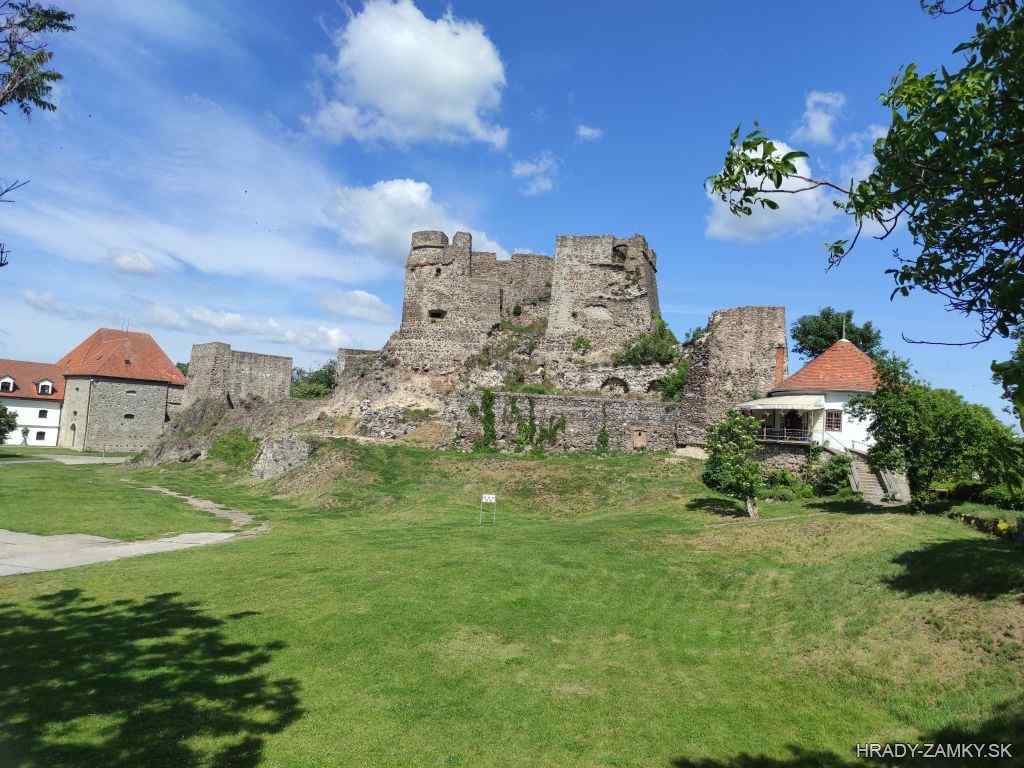
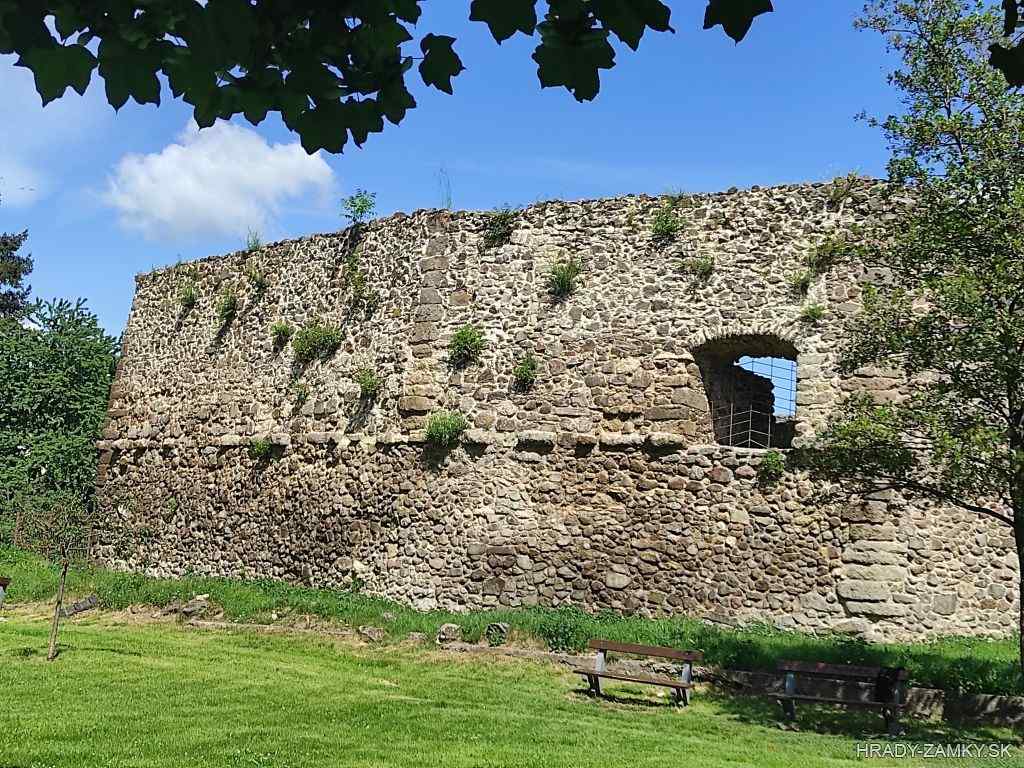
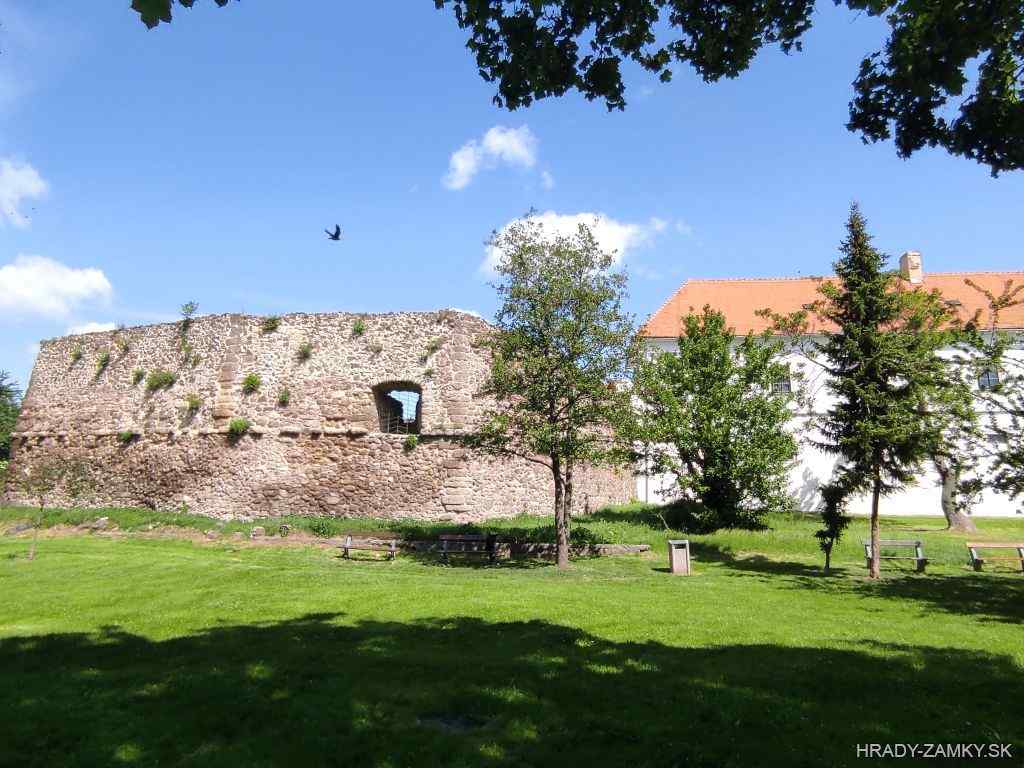
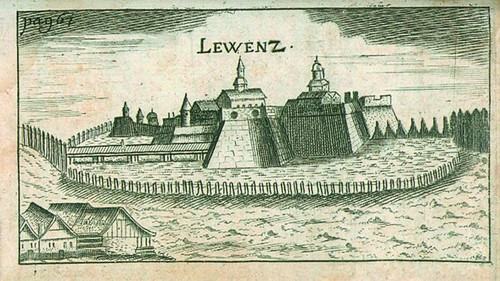
In the mid-16th century, Levice became one of the important anti-Ottoman fortresses. In 1554, a muster roll records a garrison of 400 hussars and 200 hajduks. Between 1554 and 1557 the Italian fortress builder Sigismondo da Pratovecchio da Pisa worked here and contributed to the modernization of the fortifications. The older medieval castle was gradually supplemented by a Renaissance outer ward, a water moat, gate towers and artillery bastions. These modifications were connected with the transformation of the castle into an early modern fortress capable of withstanding artillery siege.
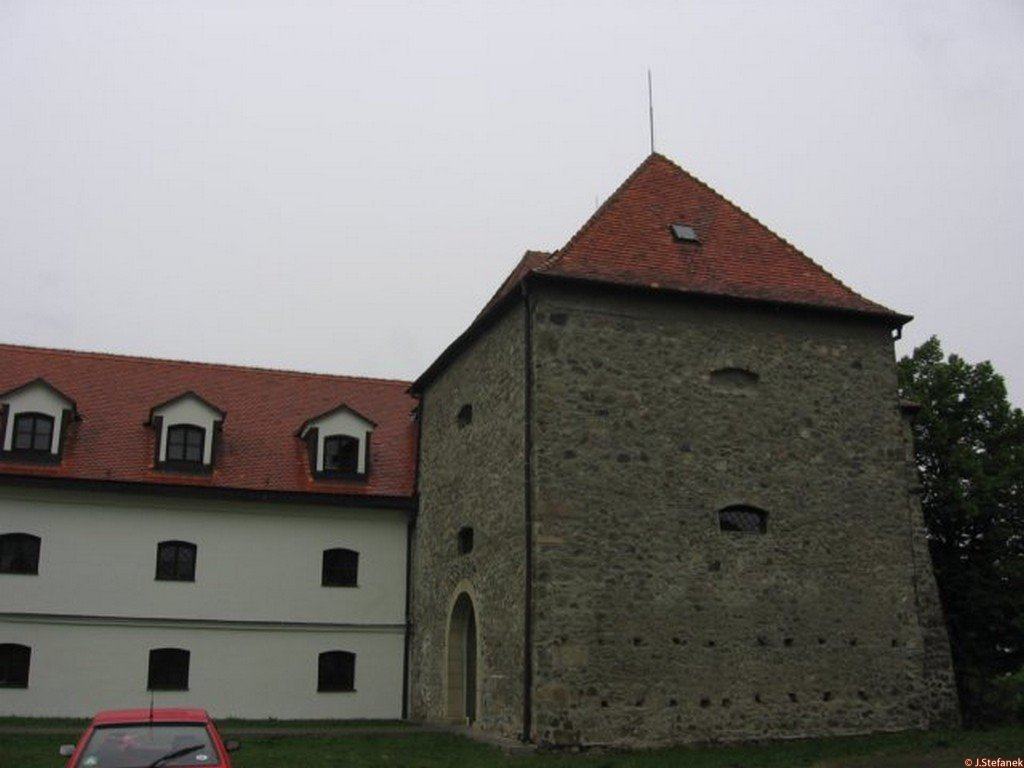
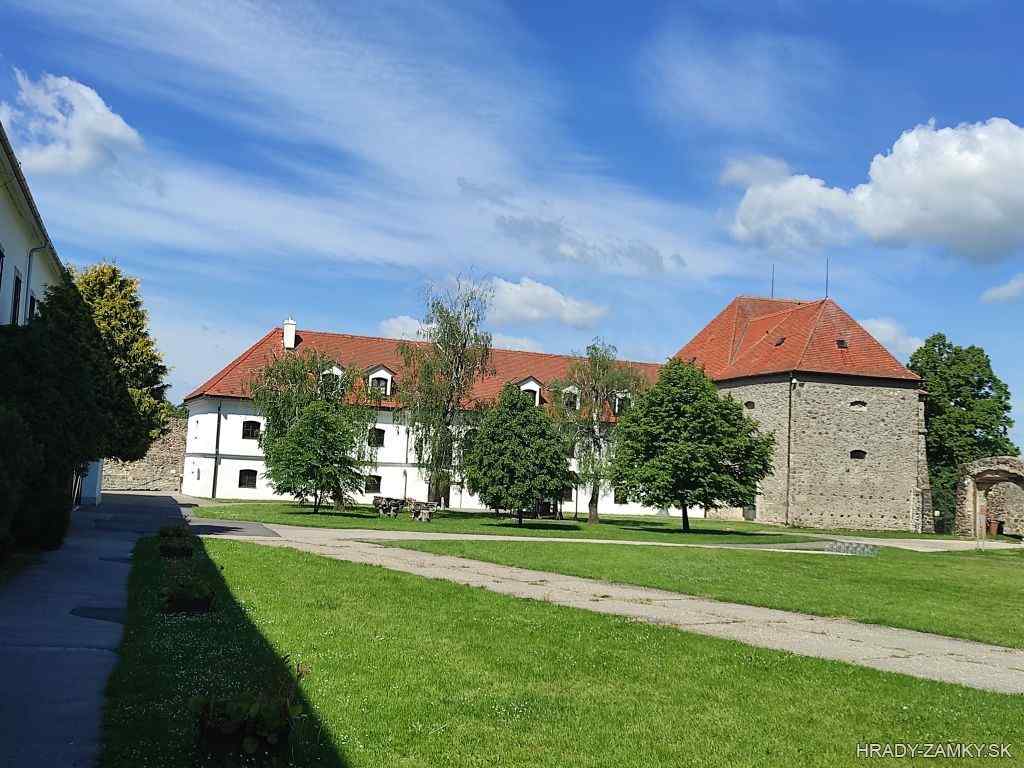
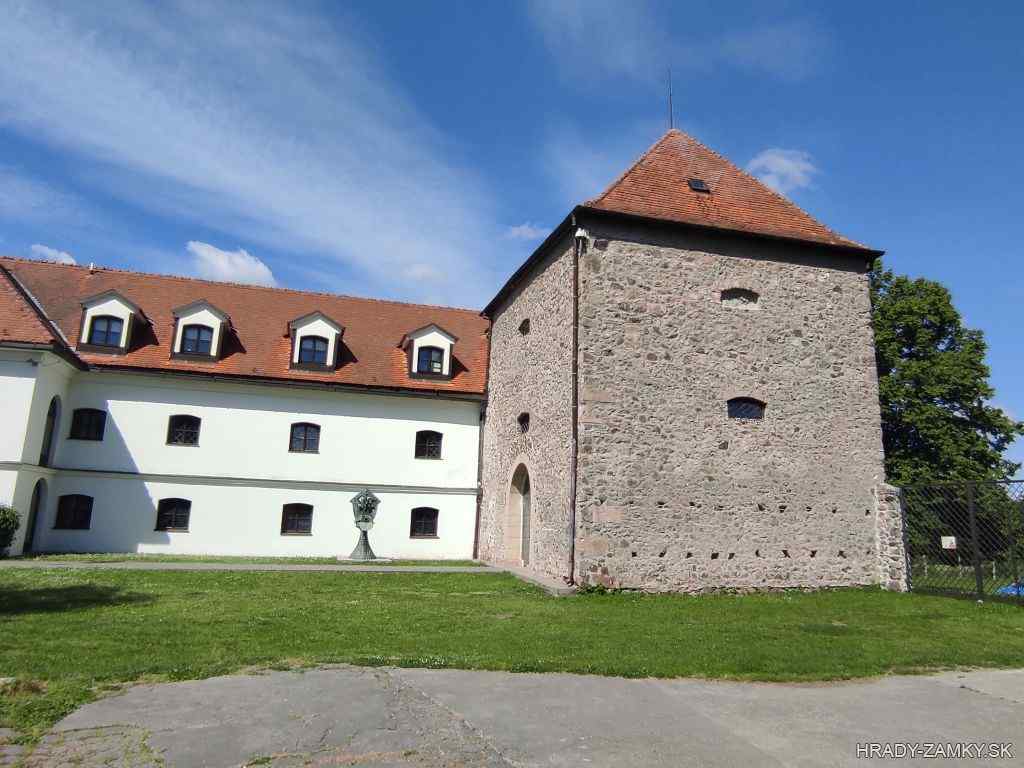
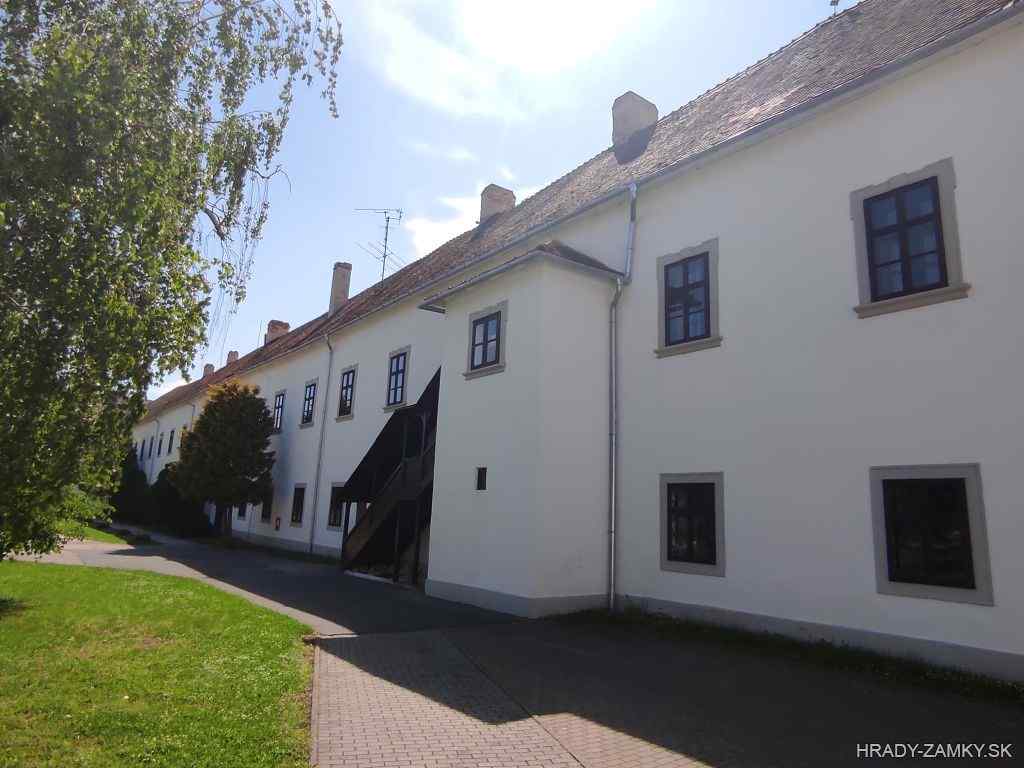
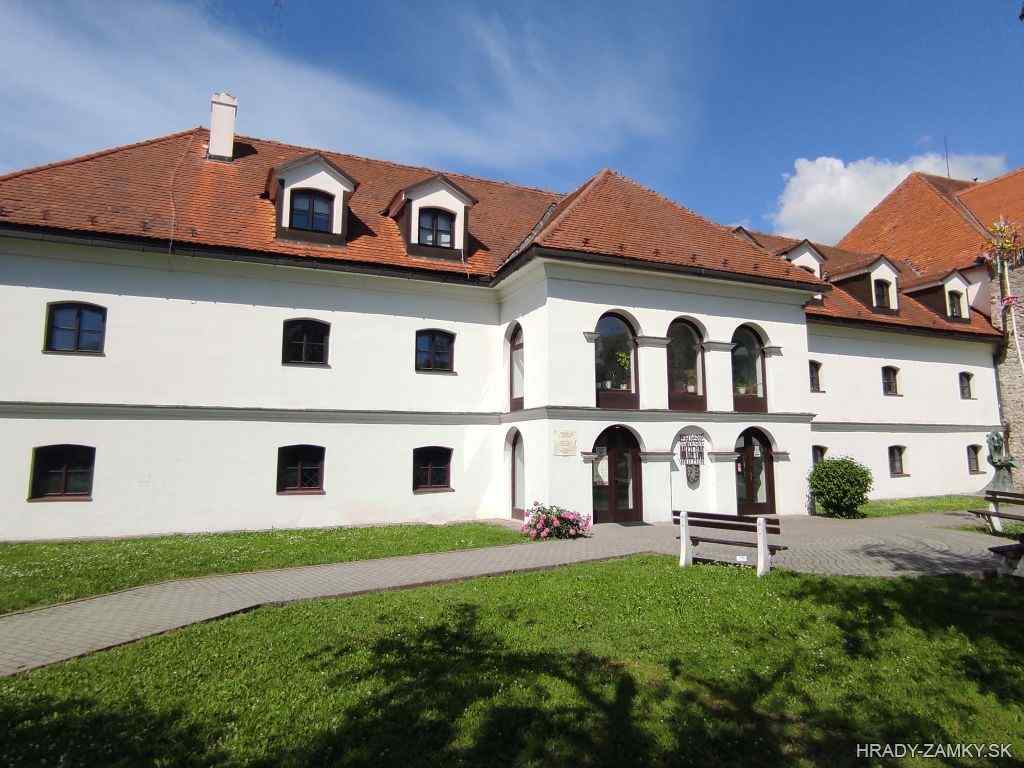
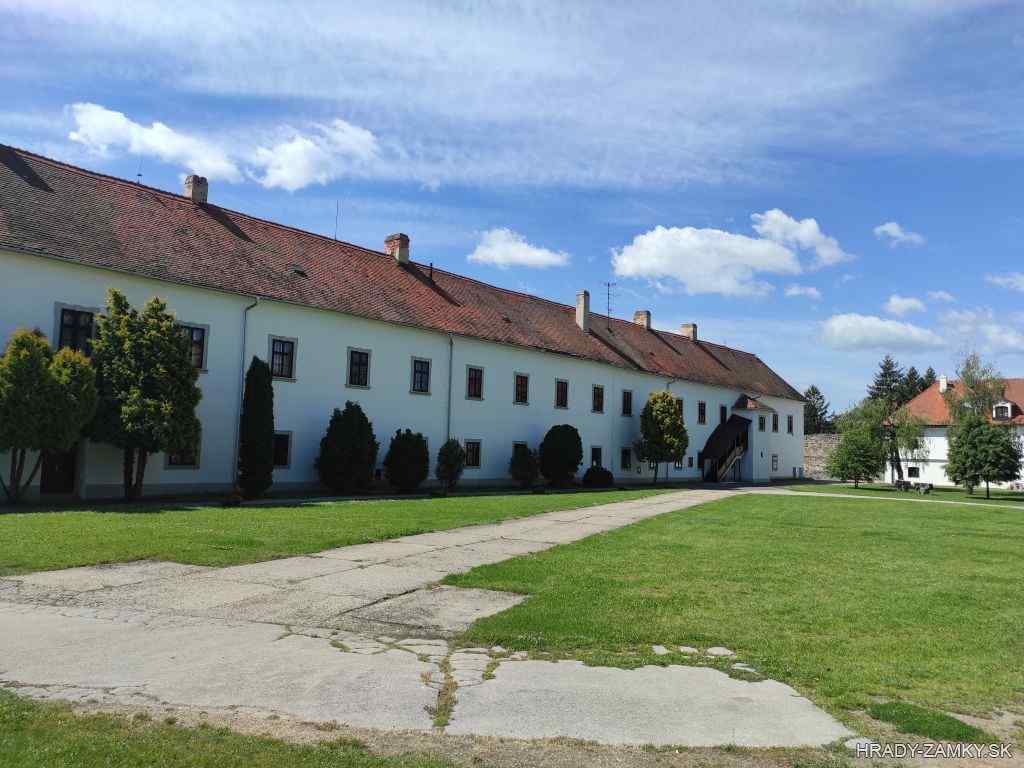
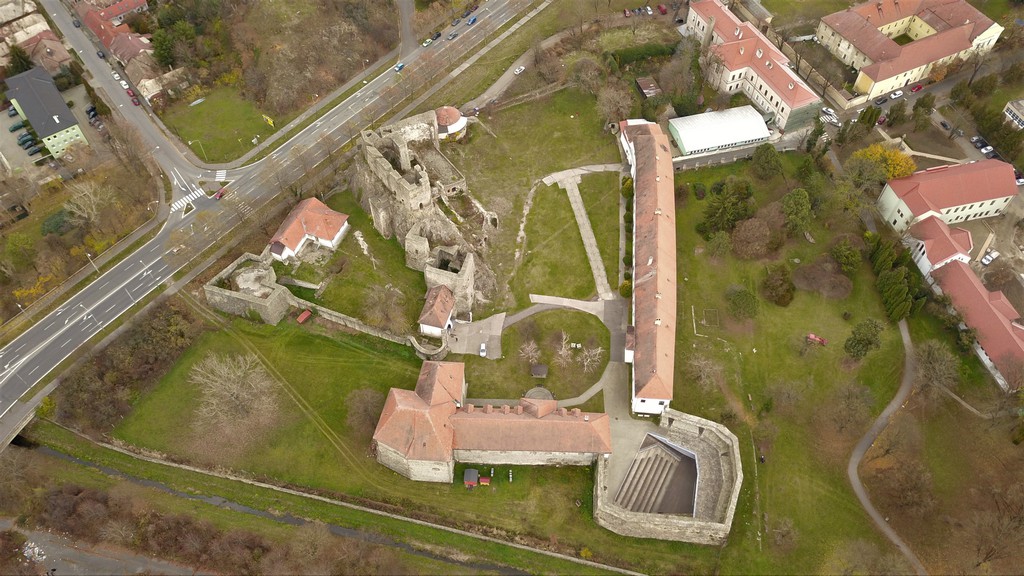
In 1558 Ferdinand I granted Levice and Vígľaš to Štefan Dobó as a reward for his services. Štefan Dobó began the construction of a long residential and economic building by the southern curtain wall, which, according to a preserved inscription, was completed by his son František Dobó in 1571. The building is now known as the Dobó Manor House.
Štefan Dobó, however, was arrested on 12 October 1569 at the Diet in Bratislava on charges of conspiracy. He was released only in April 1572 and died shortly afterwards. After his death, Levice remained in the hands of his descendants. After the death of František Dobó in 1602, the ownership situation again became complicated.
At the beginning of the 17th century, the castle was acquired by Dobó’s daughter and her husband Siegfried Kollonich, who invested in repairs and in the garrison. In 1605, the army of Gabriel Bocskai, commanded by František Rhédey, unsuccessfully attempted to capture Levice. After Kollonich’s death in 1623, the castle was occupied by the troops of Gabriel Bethlen, but after the Peace of Vienna in 1624 Peter Koháry secured it for the Royal Chamber. In 1640 Ferdinand III granted Levice to Captain Ladislav Csáky and his male heirs.
In 1645, a large Turkish army attacked the town and the castle, but withdrew after resistance from the defenders. Nevertheless, the Ottoman threat remained very serious. The fateful year was 1663, when the Turks captured Nové Zámky and other important fortresses.
The captain of Levice, Gašpar Bartakovich, evacuated the castle before the arrival of overwhelming forces, and the fortress was handed over to the Ottomans without a fight. Already in the following year, however, the imperial army under Jean-Louis Raduit de Souches, after successes at Nitra and Žarnovica, proceeded to besiege Levice. On 12 June 1664 the Ottoman garrison surrendered on condition of free departure. A month later the Turks attempted to retake Levice, but the defenders under Johannes Neumutsch repelled the attack.
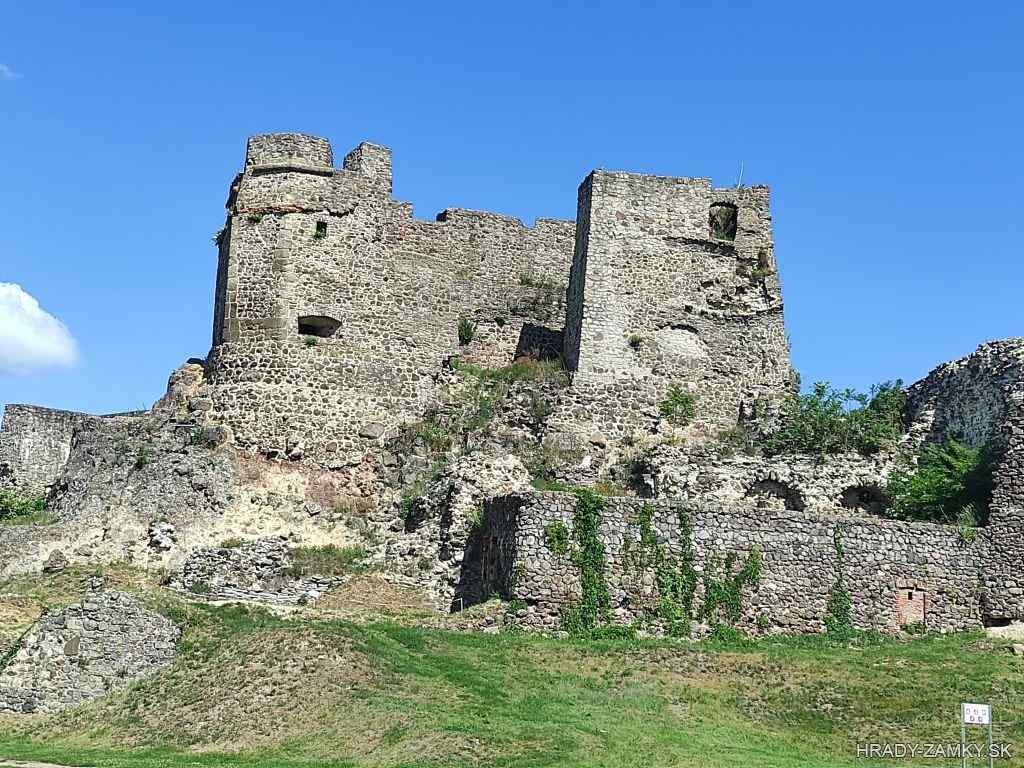
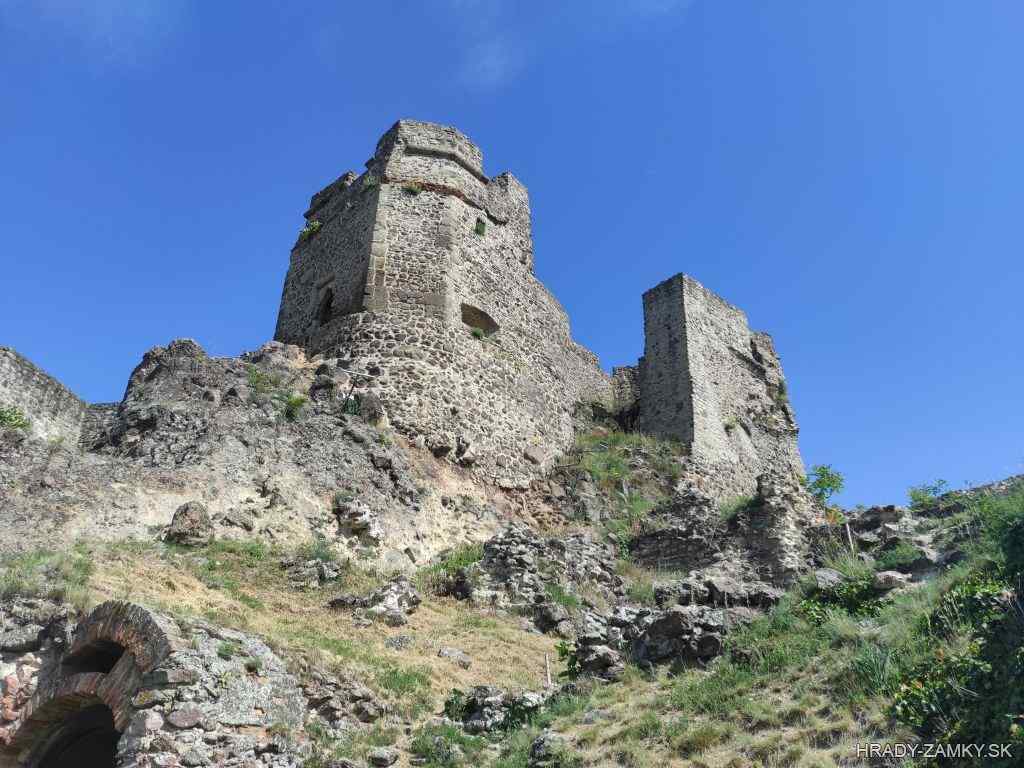
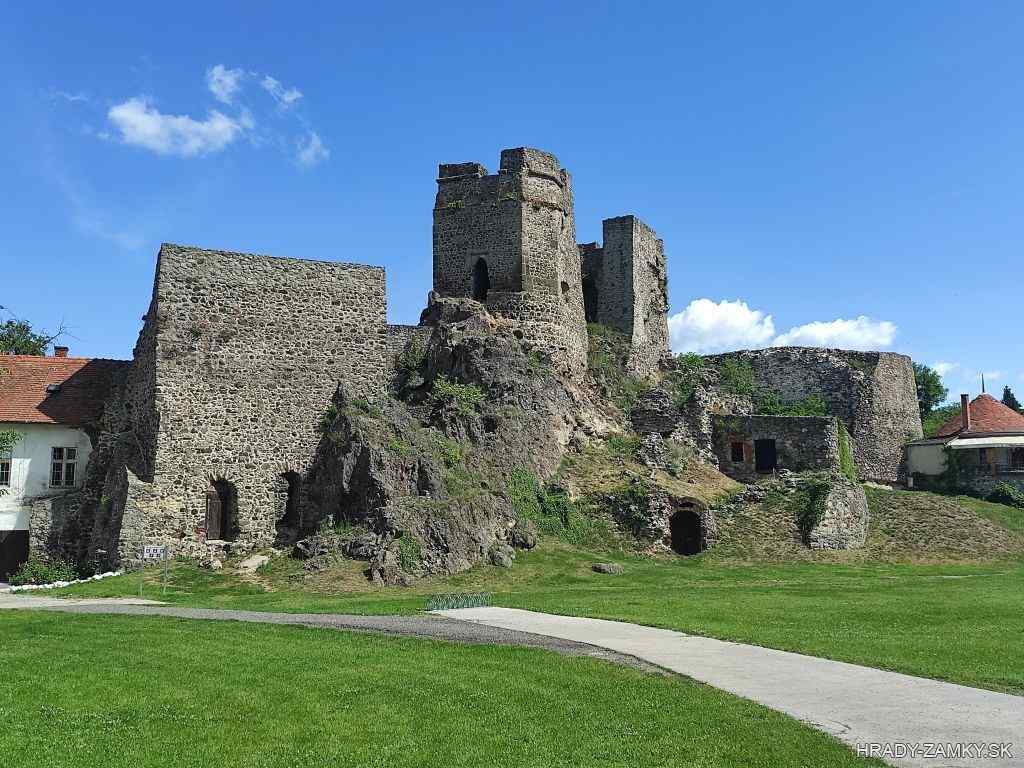
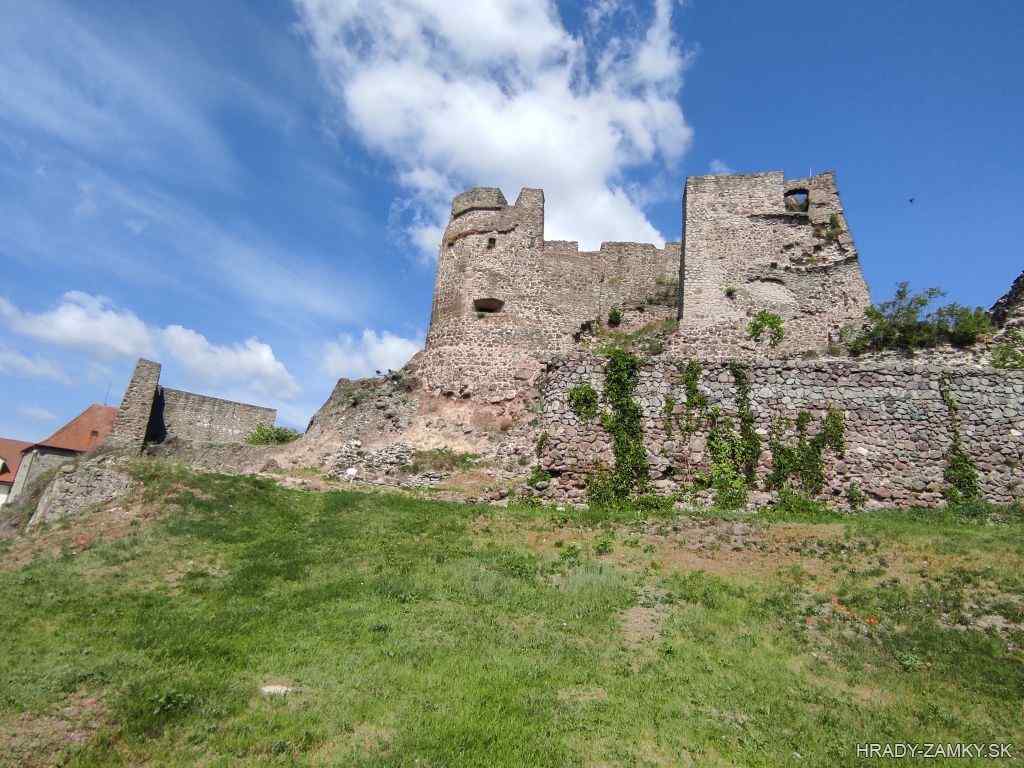
After the events of 1663–1664, Levice was modernized again. The fortifications were strengthened especially in the northern part of the complex, where a pentagonal bastion was added around the older round tower. Other artillery elements, firing positions and bastions were also added. Thus, even in the second half of the 17th century, the castle retained its position as an important fortress on the frontier threatened by the Ottomans.
During the period of the estates’ uprisings, the castle repeatedly became involved in military events. The troops of Imrich Thököly appeared near Levice in 1678, 1682 and 1683. In 1688 part of the property was sold to the Esterházy family. Muster lists from 1688 and 1689 record a garrison of 300 hussars and 200 hajduks at the castle. In 1696 a major fire struck the town and also damaged the castle.
The end of the military importance of Levice Castle came at the turn of the 17th and 18th centuries. In 1699 an imperial decree abolished the fortress. During the uprising of Francis II Rákóczi, however, the castle once again became an important military point.
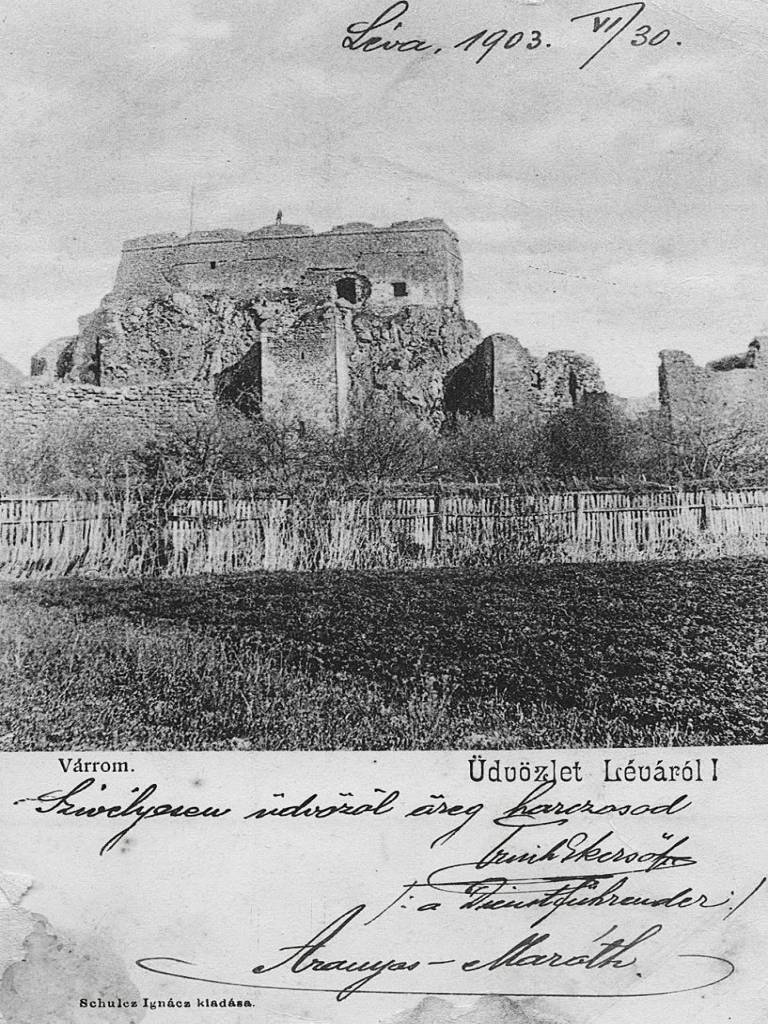
On 17 September 1703 Ladislav Ocskay captured it by deception. Already on 31 October 1703 it was taken by the imperial general Schlick after a surprise attack, but on 27 November 1703 the Kuruc forces under Ocskay and Mikuláš Andrássy captured it again. In mid-May 1704 it was briefly held by imperial troops under Colonel Ronow, but afterwards the castle again fell into the hands of the insurgents.
The decisive turning point came on the night of 14–15 October 1708, when the Kuruc garrison, on Bercsényi’s orders, set the castle on fire so that it would not fall into imperial hands. In 1709 General Heister still ordered its repair, but on 15 April of the same year Ján Bottyán, with Kuruc units, had the gate and bastions demolished and the castle well filled in. This definitively ended the military function of Levice Castle.
After 1710 only some economically usable buildings were restored. Parts of the complex served residential, storage and agricultural purposes.
After 1867, Levice Castle together with the castle estate was acquired from the Esterházy family by the Viennese banking family Schoeller, whose family owned the complex until the end of the Second World War.
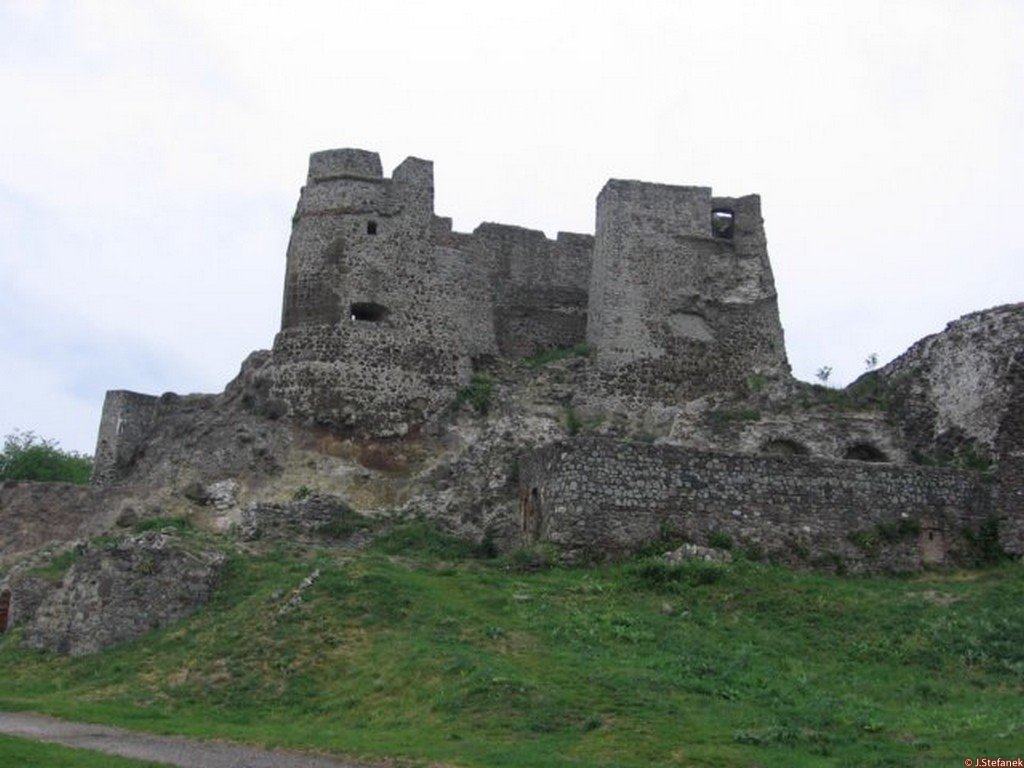
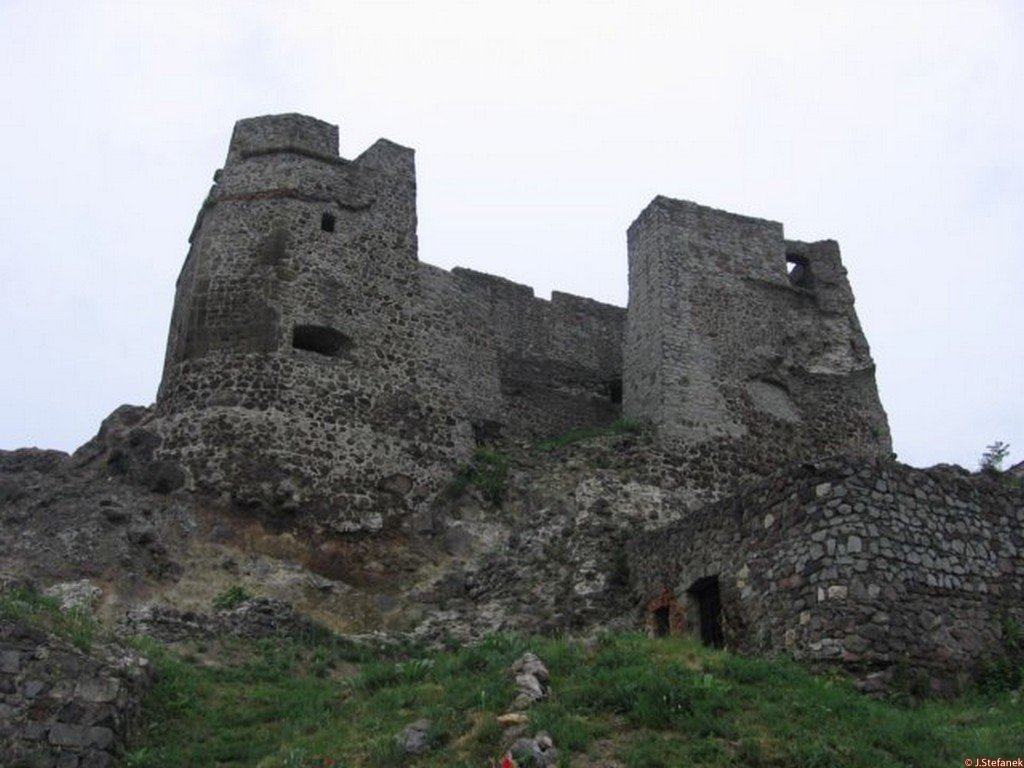
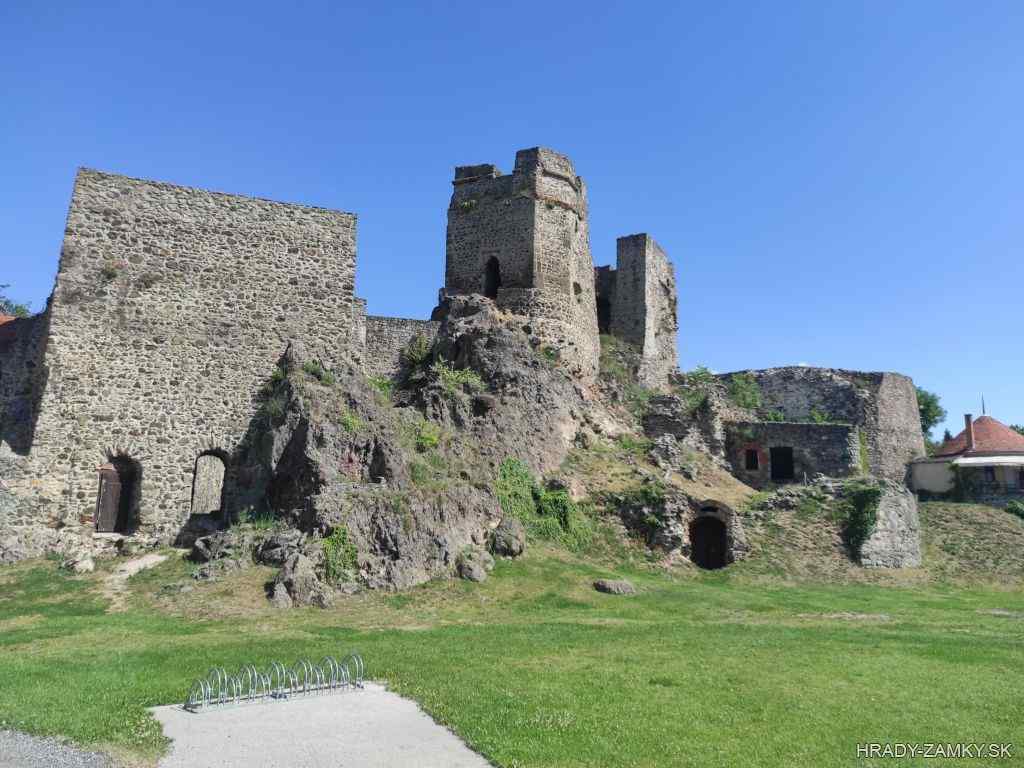
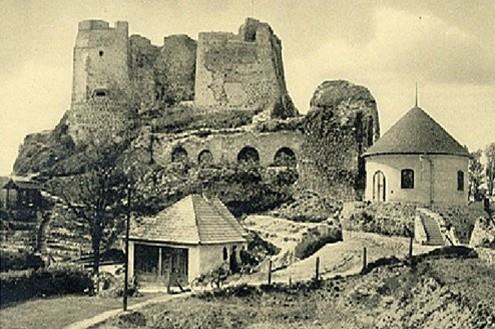
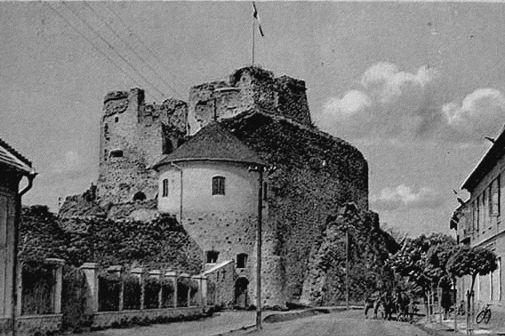
The first major conservation works were carried out in the interwar period. In 1934–1935, the masonry of the ruins of the medieval core was consolidated.
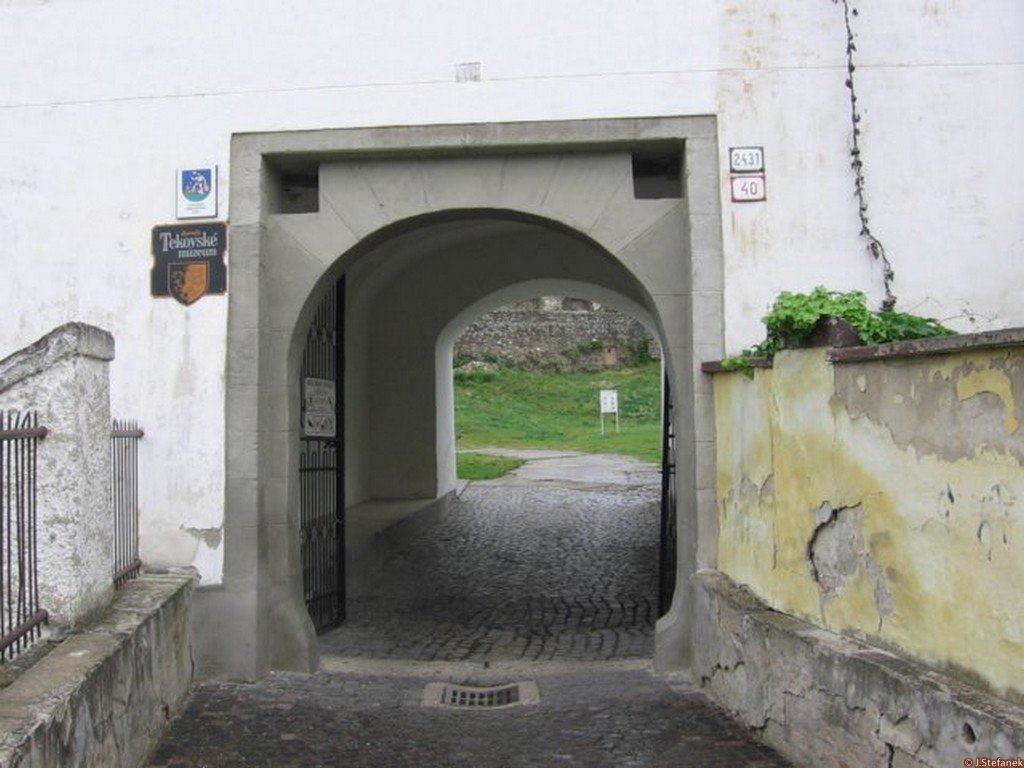
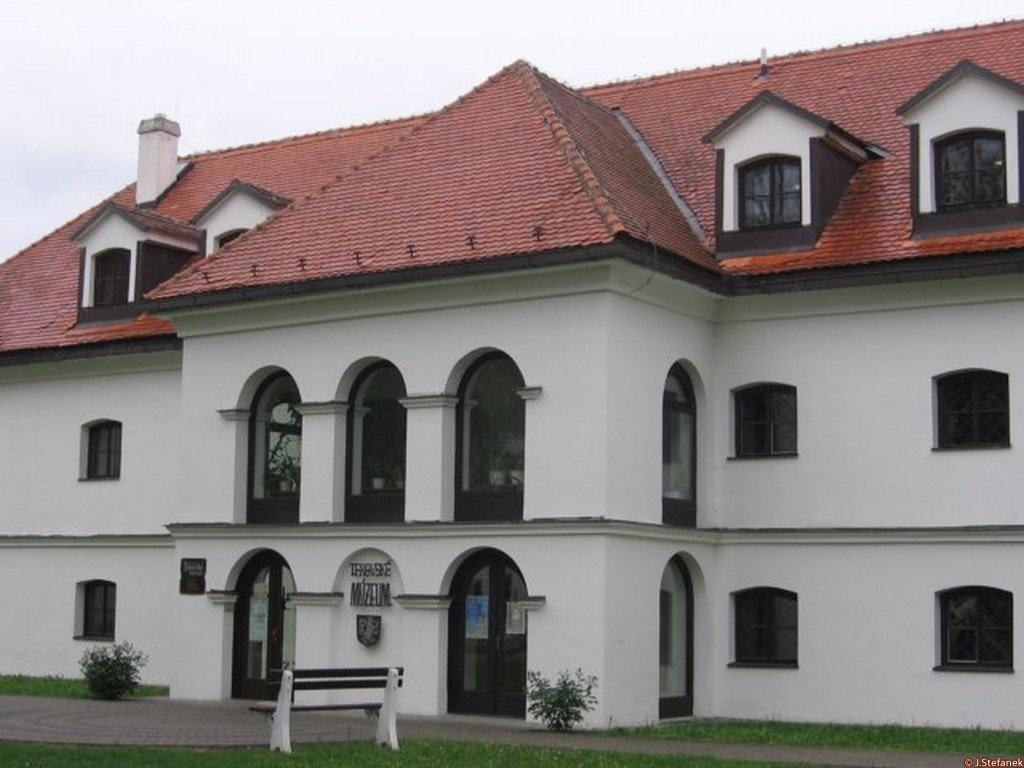
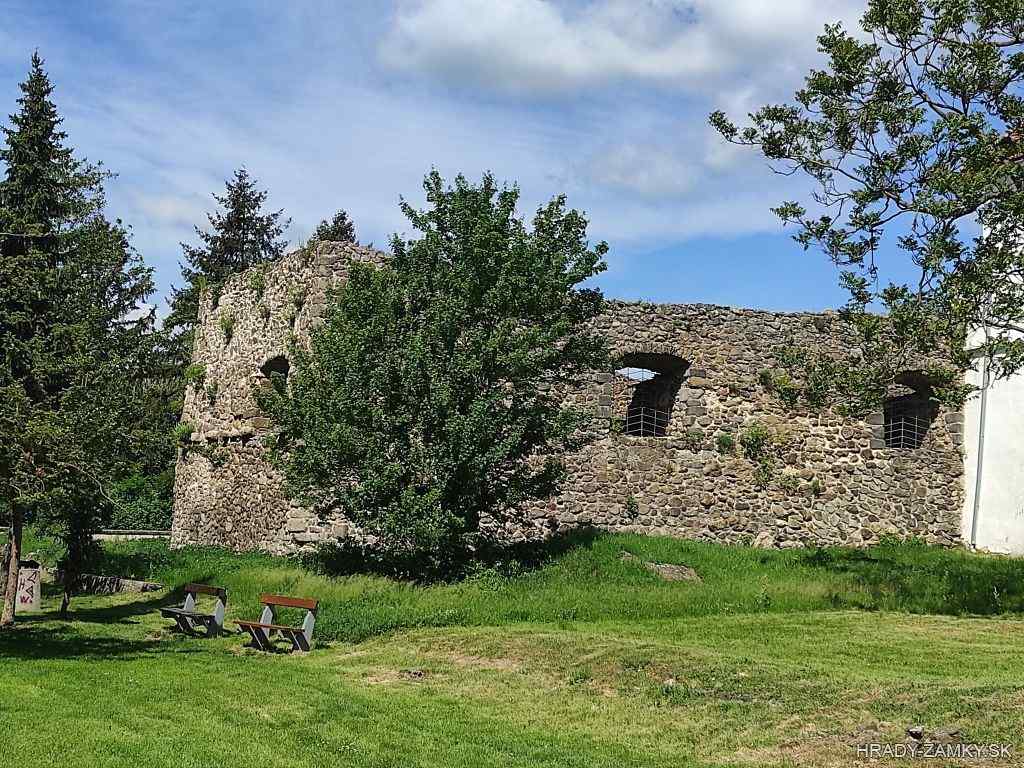
A significant new stage began when a museum institution was established within the castle complex. In 1958, the District Museum of Local History was housed in the so-called Captain’s Building; from 1960 it operated as the Tekov Museum in Levice. During the 1960s and 1970s, the museum developed as a professional, cultural and educational institution and gradually created its local history, pharmaceutical and natural history exhibitions. In the 1960s, the south-western bastion was also partially reconstructed.
In the 1970s, archaeological investigations and heritage interventions were carried out within the complex. The first archaeological excavation took place in 1970–1972 under the direction of Zoltán Drenk and focused mainly on uncovering the interior of the western palace. During this period, cement grouting of the perimeter walls was also carried out.
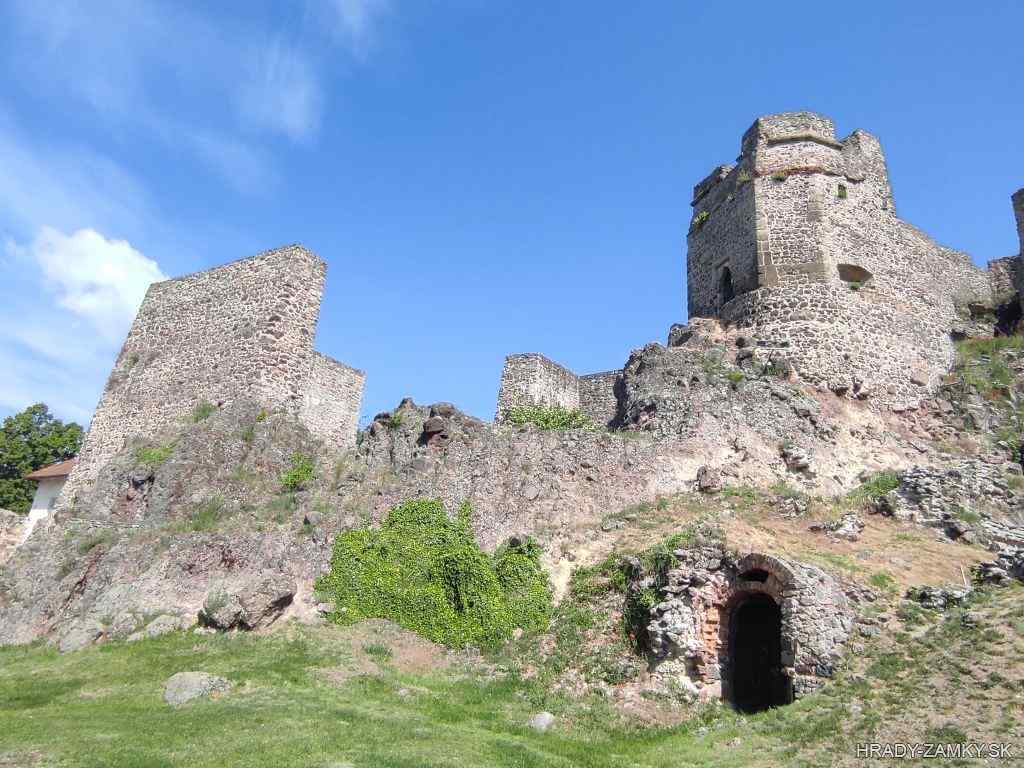
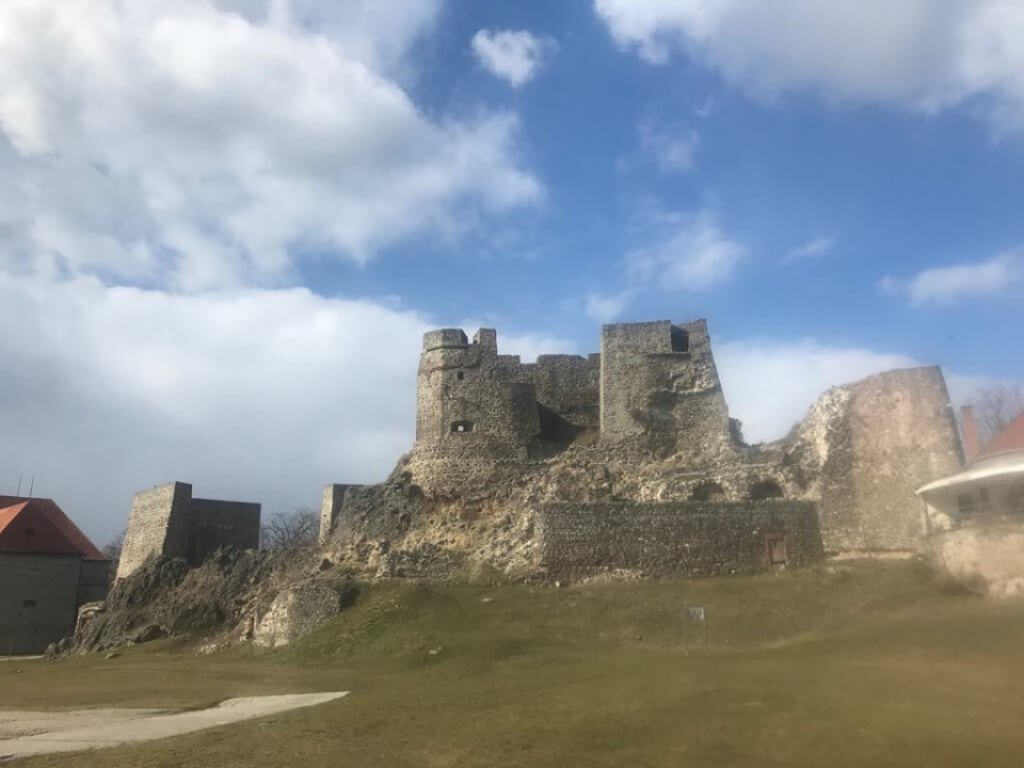
Another investigation took place in 1983 under the direction of Margaréta Pölhös, an archaeologist of the museum, and focused mainly on the area of the middle castle. At the same time, the ruins of the upper castle and parts of the fortifications were conserved. Later assessments, however, pointed out that some of these interventions, especially the use of cement mortars and the levelling of wall tops, reduced the legibility of the original masonry and authentic architectural details.
From 1982, the museum exhibitions were closed due to the reconstruction of the Captain’s Building. In 1983–1987, a project for the restoration of the entire castle complex was prepared, and reconstruction works on the museum’s main building continued in the following decades. As these works were gradually completed, new permanent exhibitions, exhibition spaces, depositories, offices and a conservation workshop were created. The first part of the renewed permanent exhibition was opened in 2001.
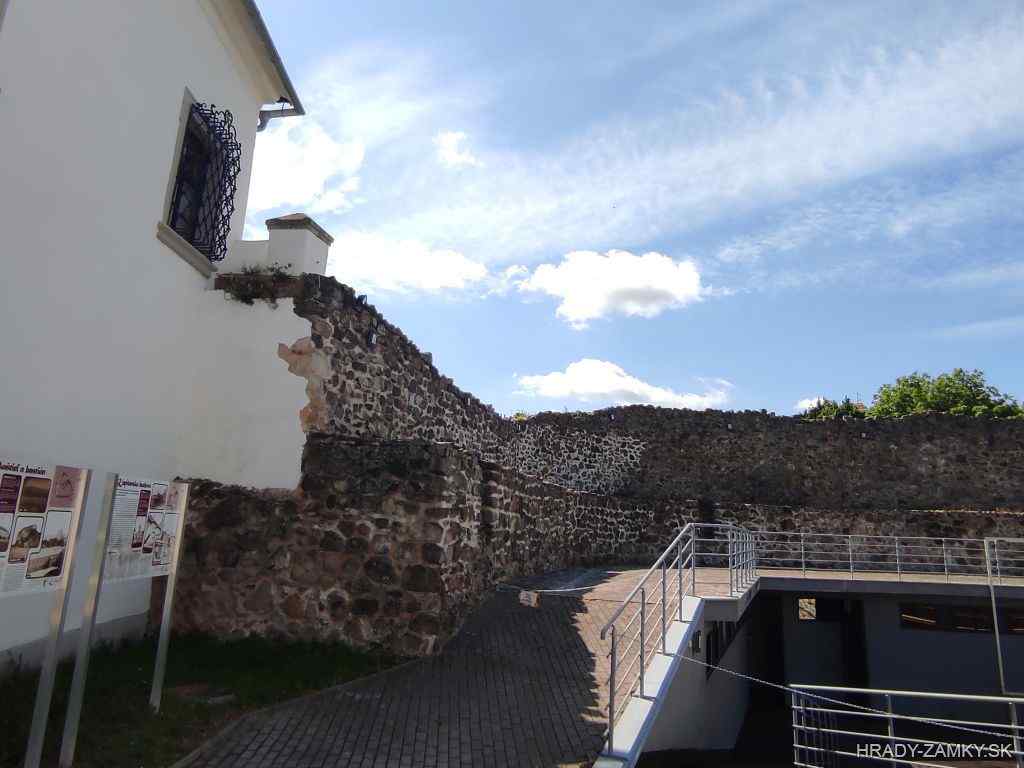
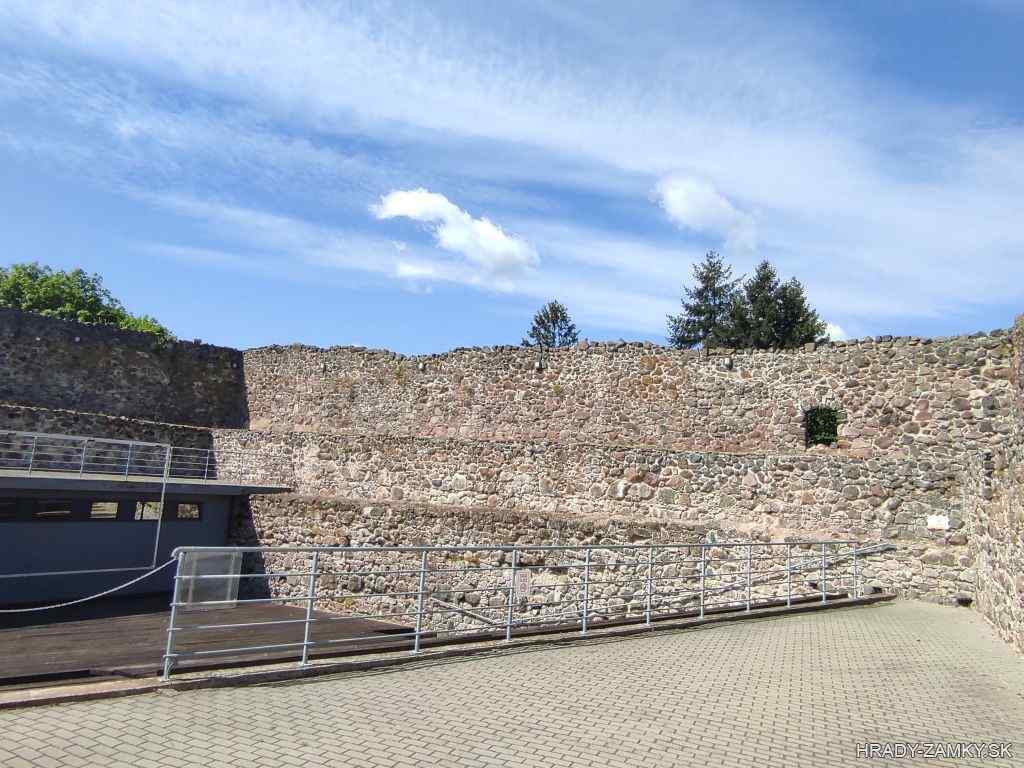
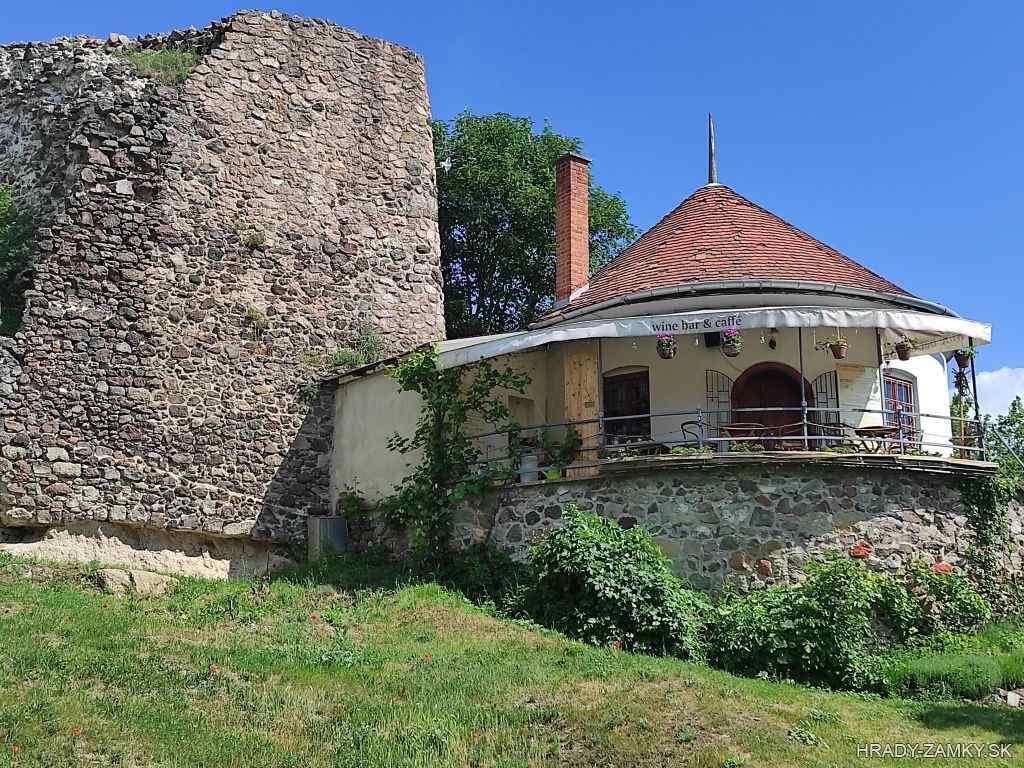
At the beginning of the 21st century, restoration and the new use of individual parts of the complex continued. In 2005–2006, the area of the south-western bastion was adapted into an amphitheatre intended for cultural events in the historical setting of the castle. In 2008, a late Gothic saddle portal collapsed, again drawing attention to the emergency condition of some parts of the complex.
In the following years, several partial stabilisation works were carried out. In 2010, a cavity in the Rotunda was repaired, followed in 2012 by a cavity in the castle rock, in 2015 by the northern fortification, and in 2016 by a cavity below the Rotunda. Between 2014 and 2021, planimetric and altimetric surveys were also prepared, together with structural assessments of selected parts of the castle, especially the well tower, the rock outcrop in the courtyard and the north-eastern curtain wall.
Among more recent expert works, an architectural-historical investigation of the middle and upper castle from 2007 is documented; its author was Ivan Gojdič.
In 2020, the reconstruction of the Captain’s Building was completed. For safety reasons, however, the northern courtyard and the middle castle remained closed. In 2022, mainly basic maintenance was carried out within the complex. In connection with the planned restoration of the so-called Dobó Manor House, rebuilt in the late Baroque period, laser scanning and 2D documentation of the building were undertaken.
In 2023, an architectural-historical investigation of the Dobó Manor House, a Renaissance palace building within the lower castle complex, was also prepared by Denis Haberland. The Nitra Self-Governing Region announced the preparation of a comprehensive reconstruction of the Dobó Manor House, which is to include the restoration of interiors and exteriors, structural stabilisation, damp remediation, roof restoration, new depositories, exhibitions and museum facilities.
In the same year, the well tower was also restored from the Nitra Self-Governing Region’s own funds.

 How to Get There – Levice


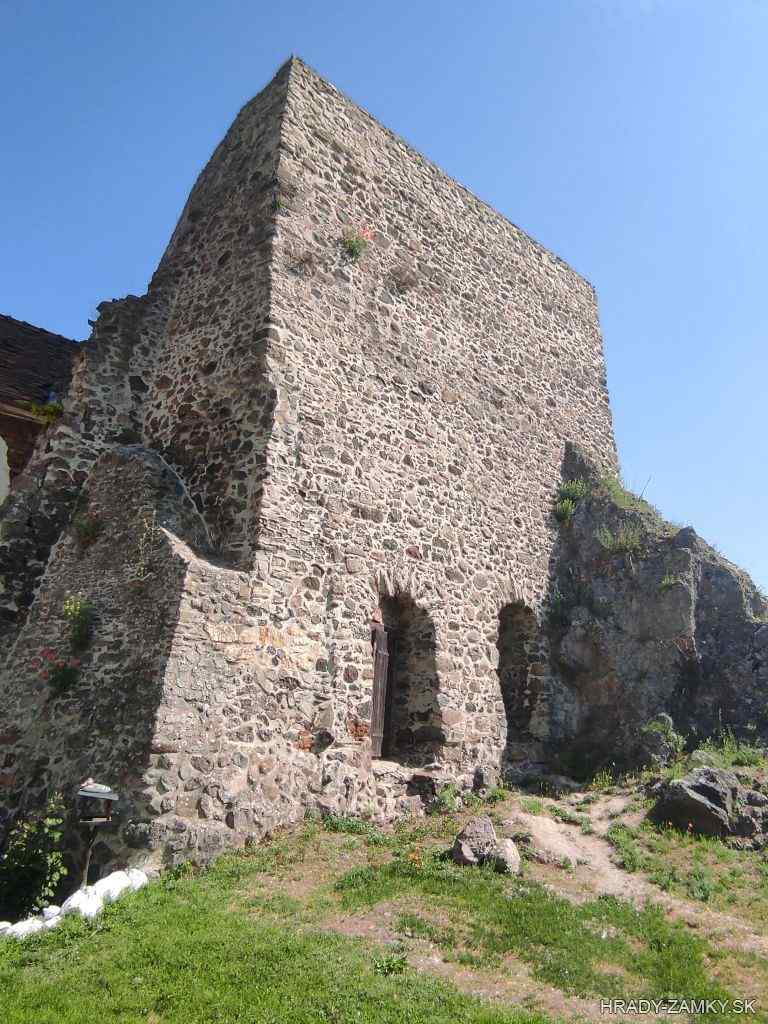
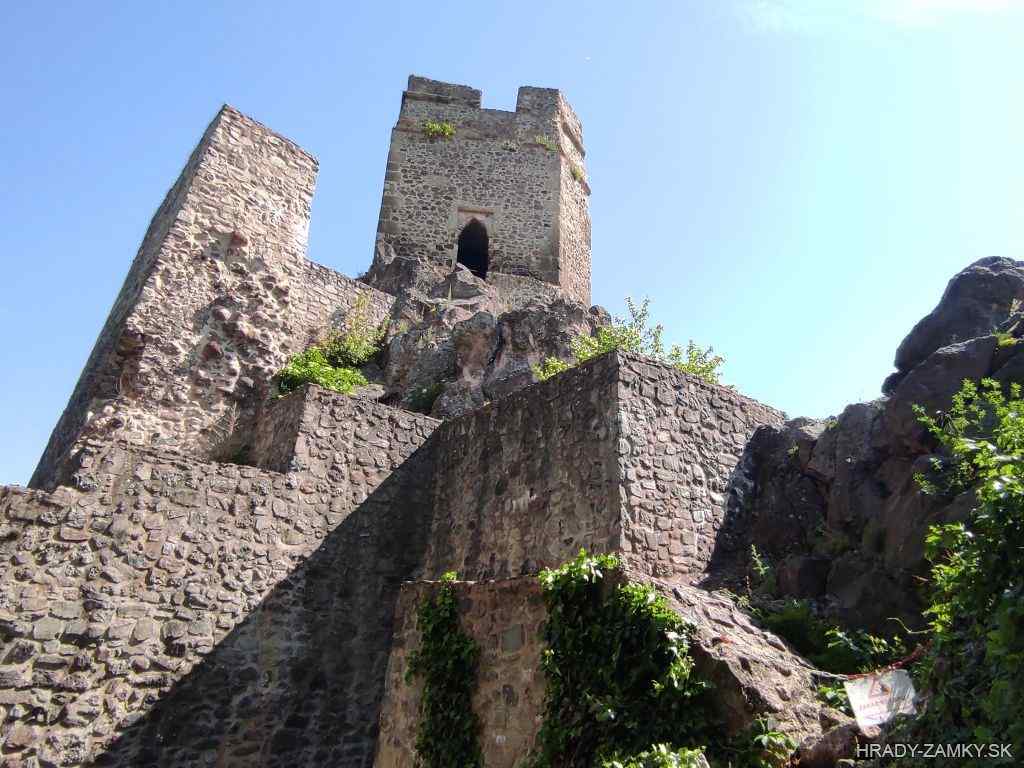
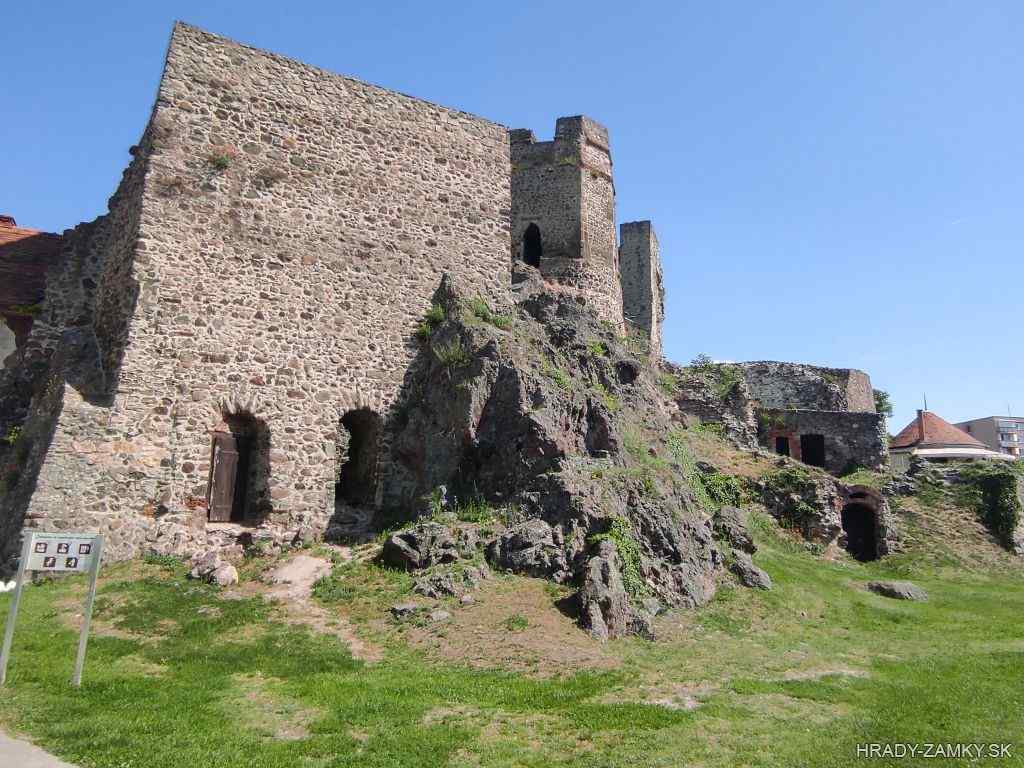
 Architecture

 Photo Gallery












 History – Levice
 Legends and Tales