Nová Baňa was one of the important mining towns in the past. The rapid development of mining of precious metals secured the privileges of a banking town already in the 14th century, but the town also had its own privileges.
Sometime after 1353, a medieval fortress was built on the territory of the city. Originally, it was probably a royal house (domus regiae), which performed both administrative and defensive functions. According to Karol Robert's decree from 1335, similar royal houses were to be built in all mining towns. The miners then handed over the precious metals there.
The building itself was fortified by walls and a moat. After 1440, the town was occupied by the troops of Ján Jiskra, and in 1442 it was burned down by the troops of Vladislav Jágelovský.
The city and its economy were also plagued by battles between the followers of the Polish king Kazimir and the army of Matej Korvín, disputes with the Dóczi family and also a plague epidemic. In 1447, the fortification was strengthened, while a walkway was built on the southern side. Thus, the defense capability was improved, especially on the side of the main road from the Hron river valley.
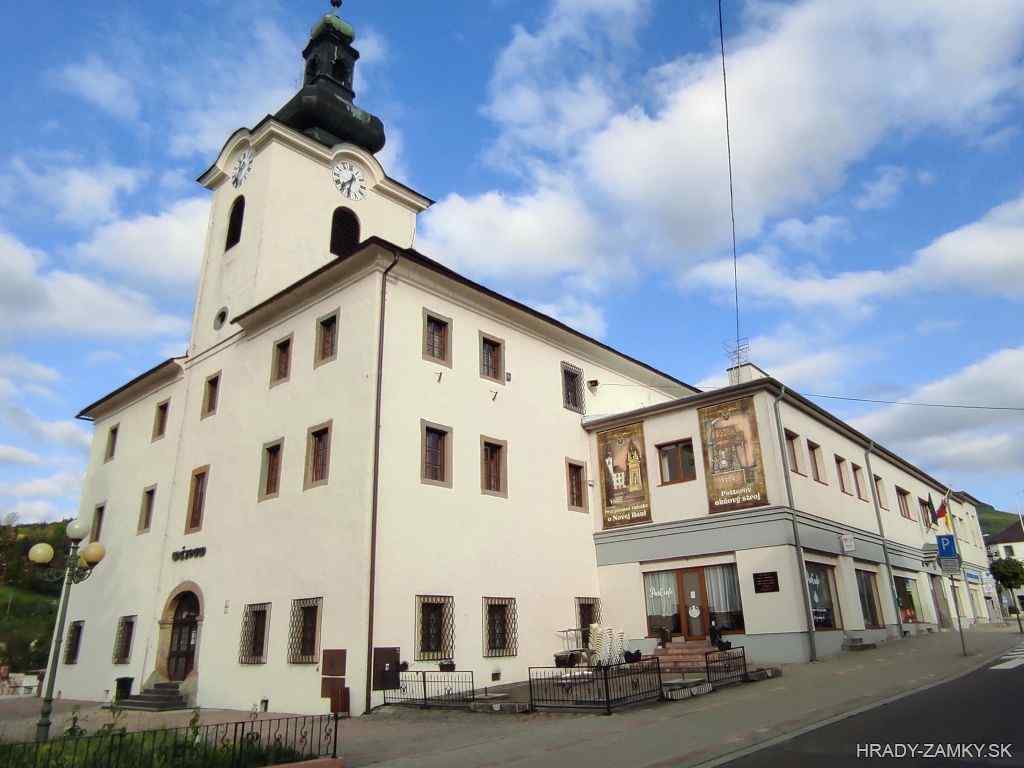
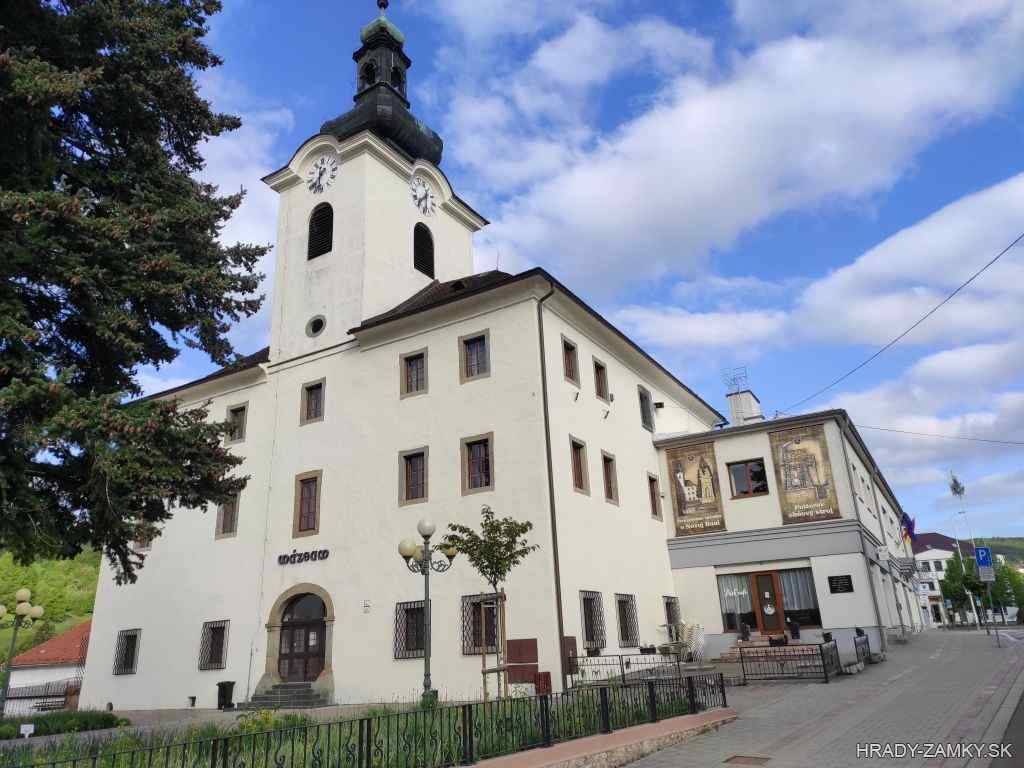
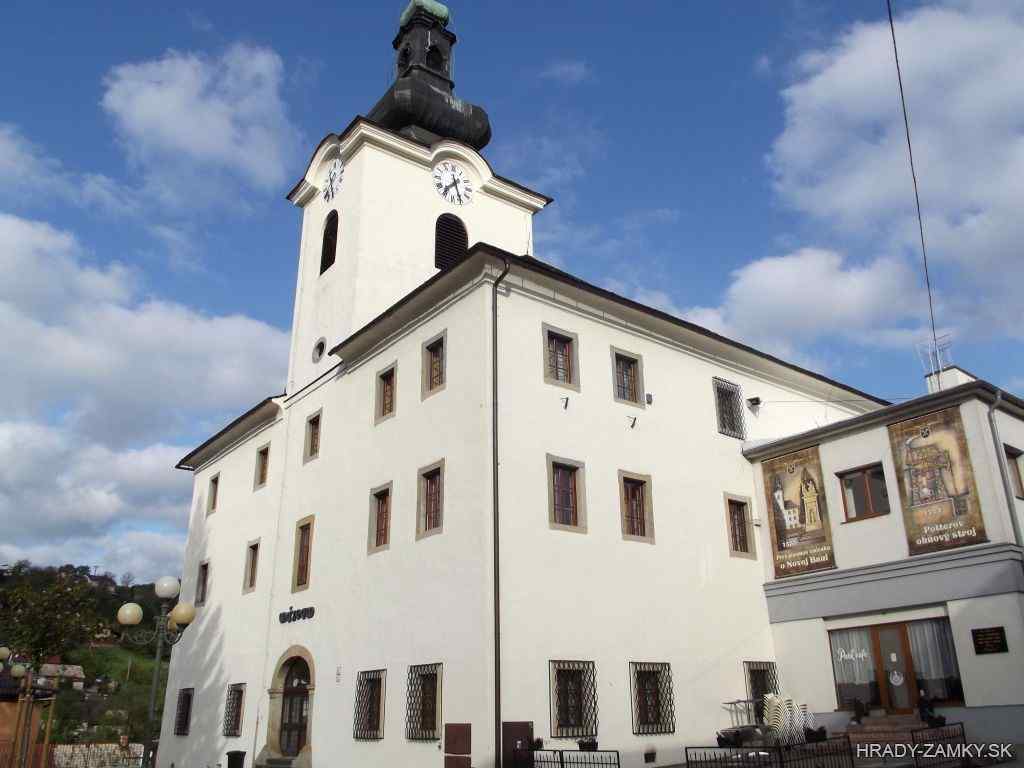
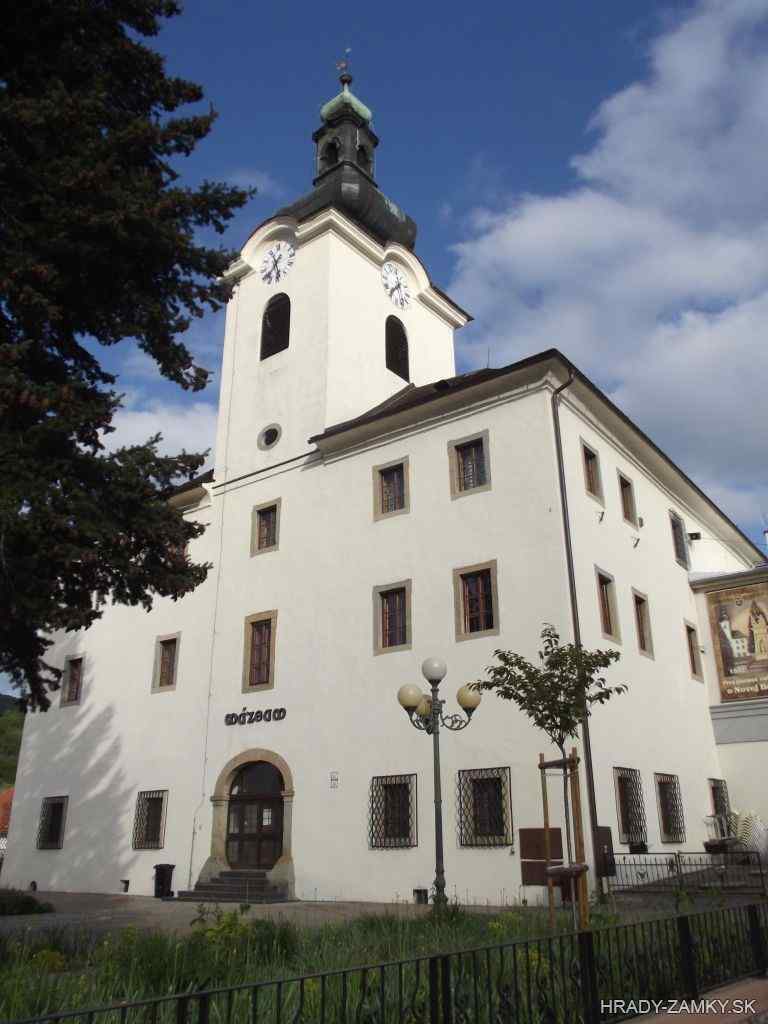
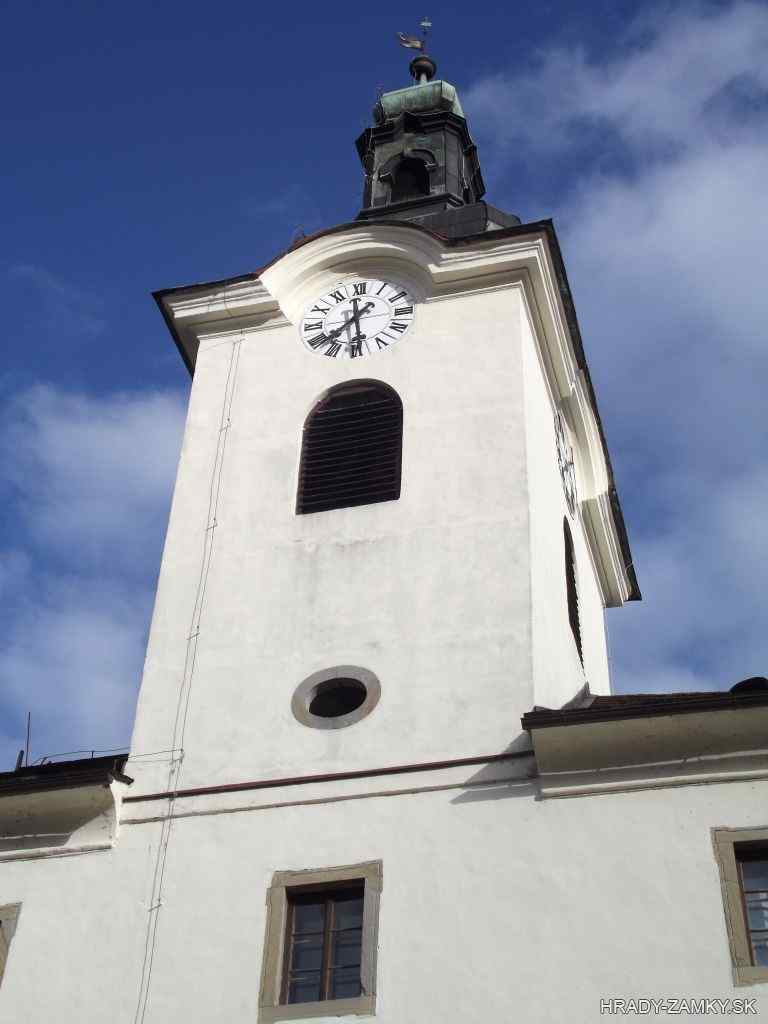
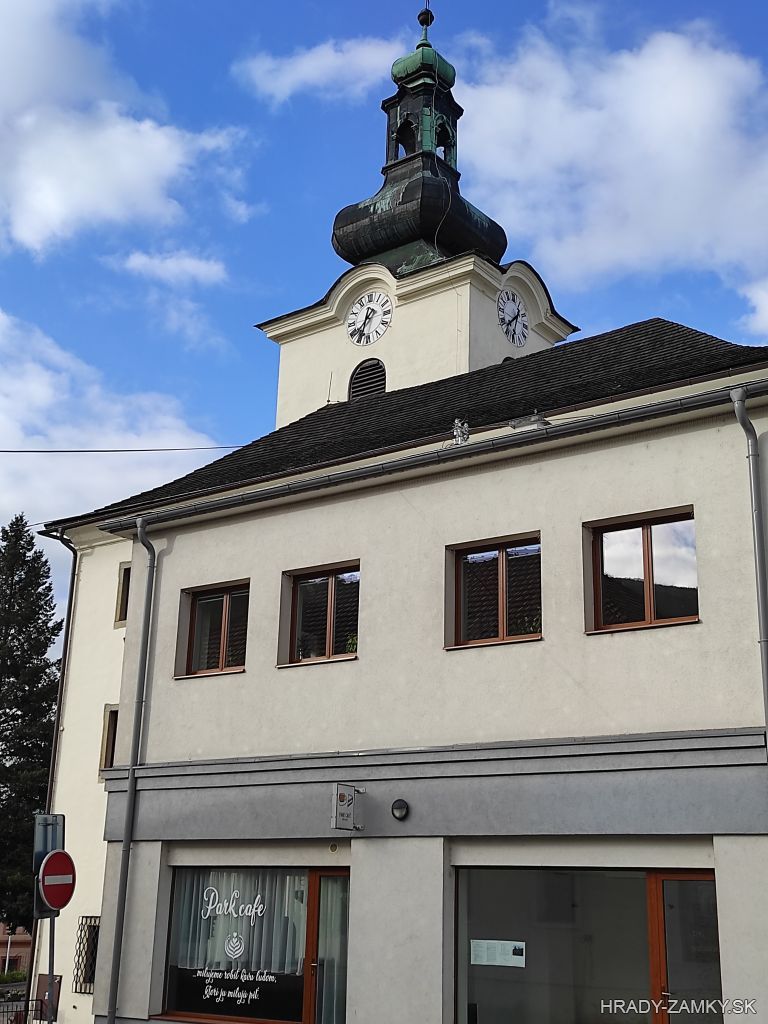
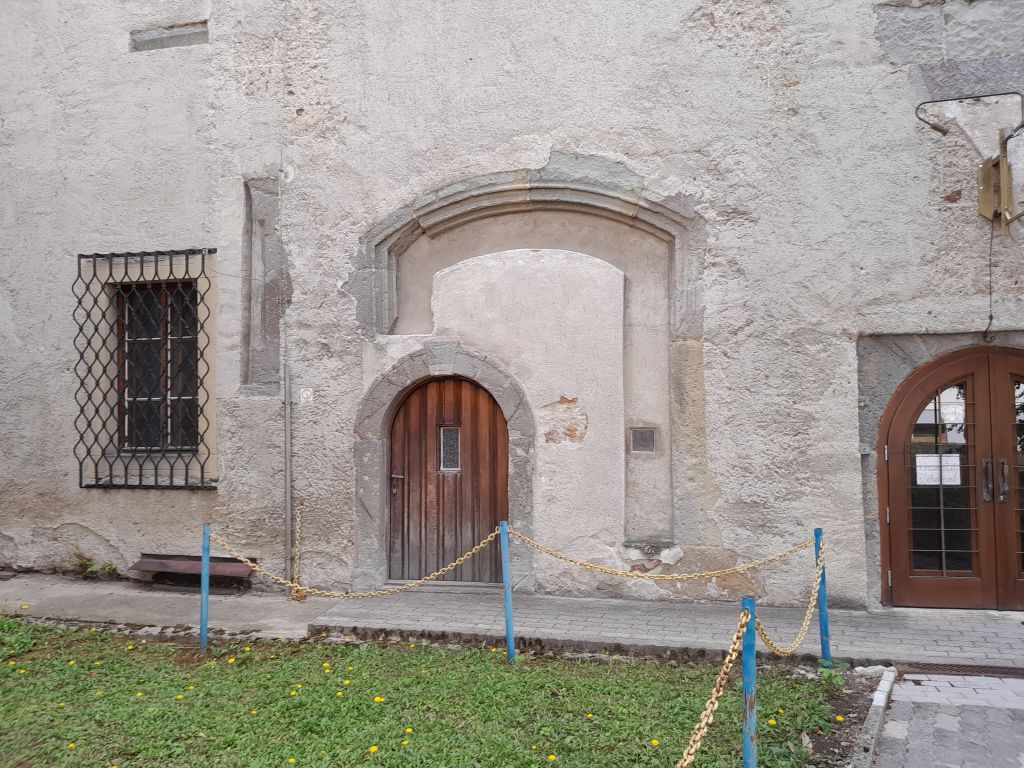
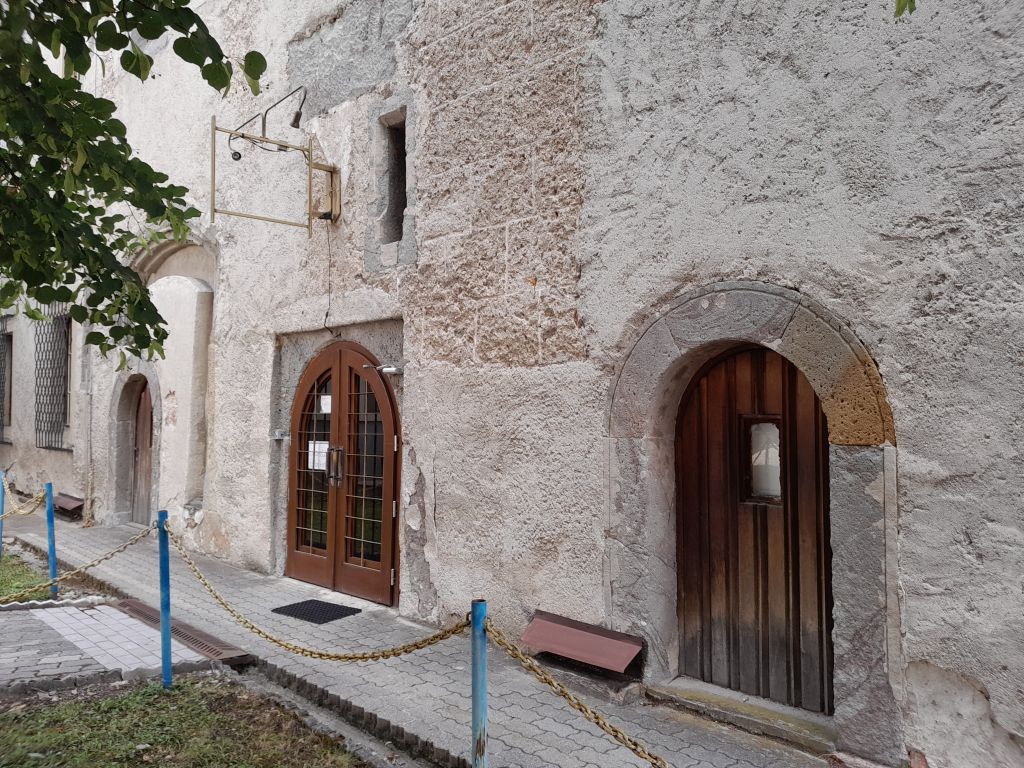
In a later period, sometime at the turn of the 16th and 17th centuries, a prismatic tower was built to the southern facade of the fortress. It could serve as an observation post at the time of Turkish raids. In addition to the tower, there was also built a fortress extension with embrasures and a gate, which enclosed a square courtyard on the north side together with the walls.
A significant breakthrough in the Turkish raids in the vicinity of the mining towns was the battle between the imperial army and the Turks, which took place on May 16, 1664 on the right side of Hron river near Žarnovica. After a crushing defeat, the Turks invaded Nová Baňa, burned down the town and killed or captured most of the inhabitants.
In addition to the Turks, the city and its surroundings were also threatened by the estate uprising under the leadership of Bocskai, Bethlen, later Thököly and also František Rákóczi. The town was ravaged and the mining facilities were destroyed.
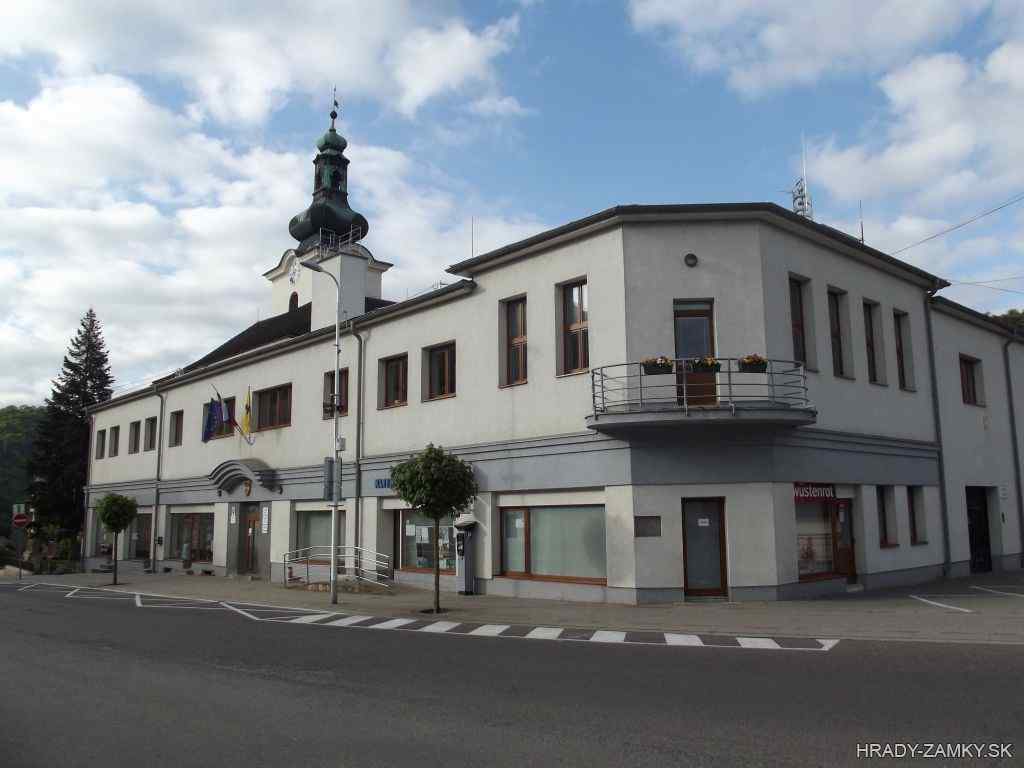
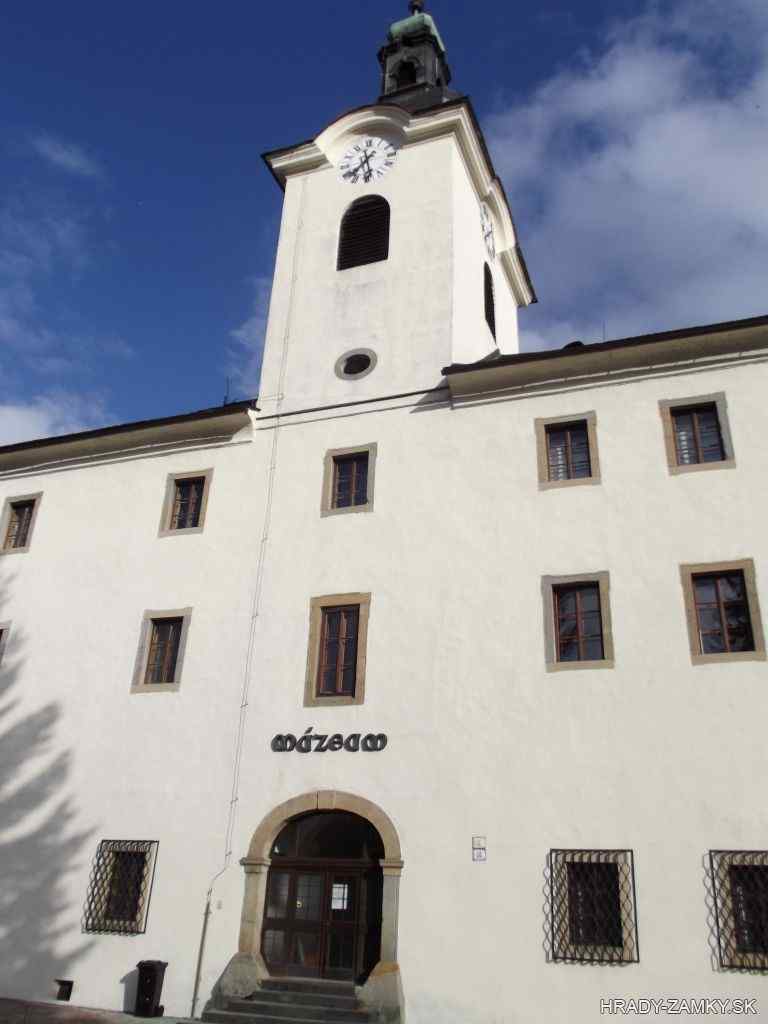
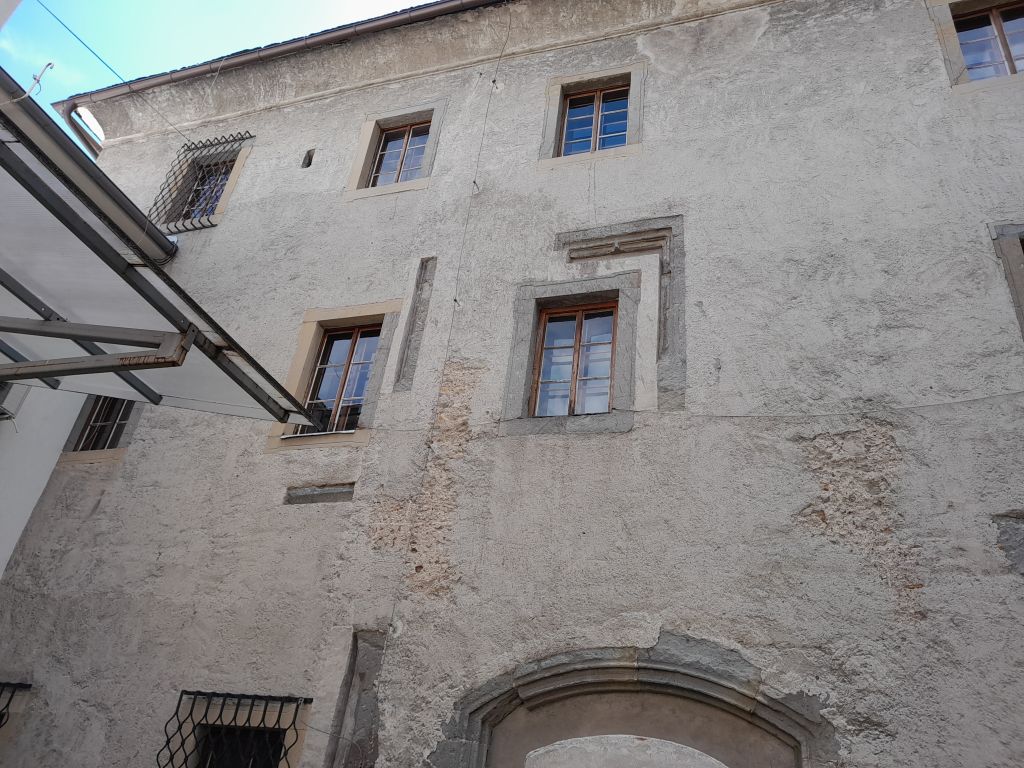
The rise of the town started to happen around 1722, when the fortress was rebuilt after a fire, while the third floor was removed and the tower was rebuilt in Baroque style to its current form. Since then, the building has been referred to as the town hall. In this period, the unique Potter's Fire Engine was built in the town, where the motive power of steam was used for the first time to pump mine waters.
However, the good times did not last long, the machines did not produce the expected results, and due to the lack of water power to drive them, in 1792 they began to build the artificial water reservoir Tajch. However, after the break of the dam in 1810, mining in Nová Baňa began to decline, and in 1887 the operation of the mines was completely stopped.
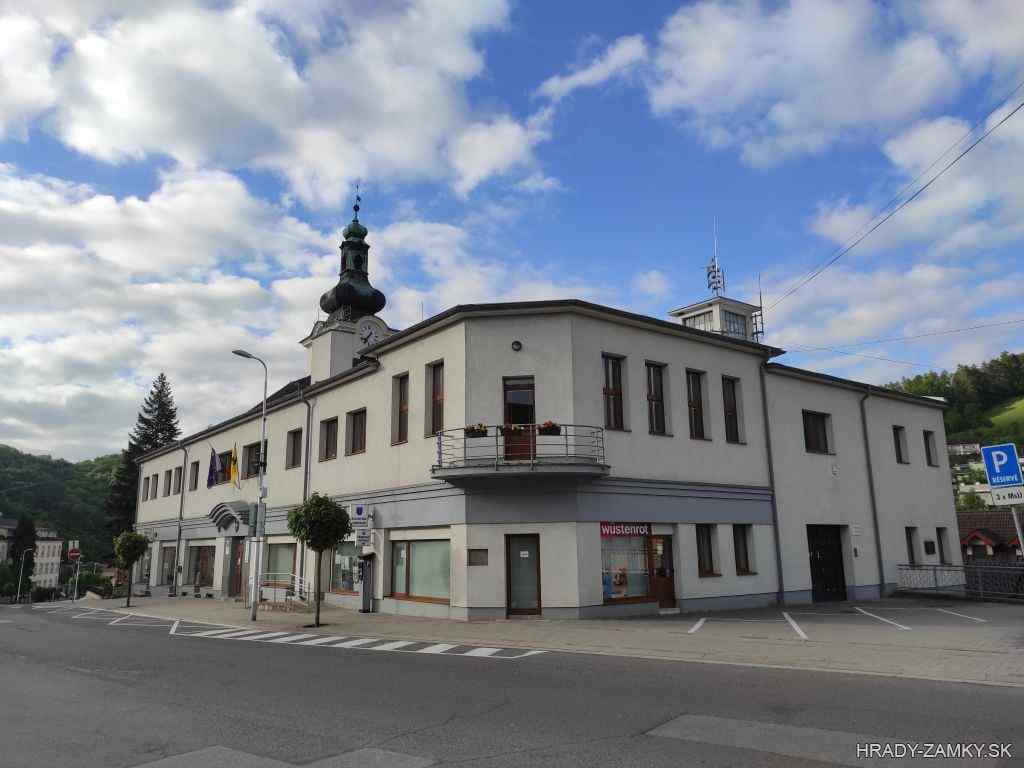
The original fortress extension was demolished in 1939, and a city office building was built in its place. The city archive was also located here, and the district court was on the second floor.
Between 1967 and 1972, the building was comprehensively renovated. After restoration, the building housed the city library together with the museum, and from 1986 the entire building was made available to the Pohronské Museum.
In 2022, the city received funds for research, construction-technical assessments and focus on the actual state of the cultural monument. The goal of the project is to save the national cultural monument, prevent its further degradation and restore its original historical expression.

 How to Get There – Nová Baňa - Town Hall


 Architecture
 Photo Gallery



 History – Nová Baňa - Town Hall
 Legends and Tales